You probably hear it every day. Or perhaps you say it every day. The
dreaded question.
“What’s for dinner?”
We all face this. EVERYDAY. How often on the drive home from work do you
try to remember what’s in the refrigerator or the pantry at home to make a
meal? You’re not alone. Someday, it’s just all too much to figure out, and
you stop at a store for something quick or to order take-out.
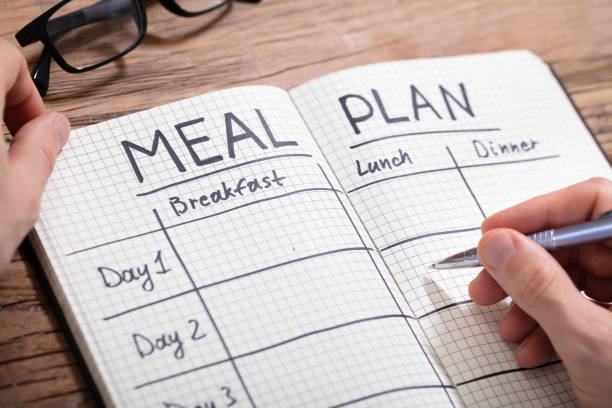
A solution: meal planning. This means thinking about what you’re going to
have for dinner in advance and then make sure that the foods needed for
these meals is on hand.
Believe it or not, planning meals really does not take a lot of extra time and
can have HUGE benefits. These include a healthier diet, saving money, less
stress and in the long run, saving time.
A study published in the International Journal of Behavioral Nutrition and
Physical Activity showed that people who plan meals are likelier to
have a better diet and increased food variety. This makes sense because
planning menus encourage preparing and eating meals at home, which has
been associated with more fruit and vegetable consumption and
increased fiber, folate and vitamin A intake. Home-cooked meals also tend
to have lower fats. Planning meals is a proven weight loss tool because it
allows you to decide on the ingredients, recipes and portions served.
Meal planning
can also help save money as we use what is on hand and plan to use what is in season or on sale. You also save by not buying so many ready-to-eat foods, take-out or going to restaurants.
If you’re not used to planning, it might be easier to start out with just a few
meals that you want to prepare next week. Allow for days that you know
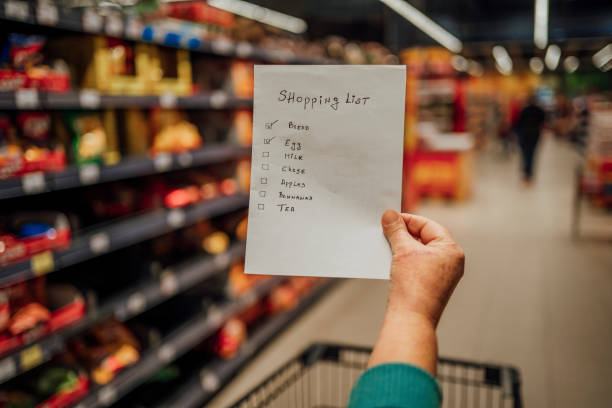
you have other plans. Make a shopping list based on these ingredients and
what’s on hand.
Having this shopping list
(and sticking to it) is one of the known ways to save money at the grocery store. It prevents impulse buys caused by advertising, food samples and just shopping when hungry. Some people have also found that using store apps and having someone else do the shopping and just picking it up has helped them save money, time and makes them plan.
Meal planning also reduces stress by eliminating last-minute decisions and
rushing. Lastly, meal planning saves time by allowing us to purchase and
prepare recipes or ingredients ahead of time as needed.
If you post the planned menus and recipes (and all the needed food is in
the house), who knows, maybe other family members will start to cook
the meals. Or, better yet, have them help with meal planning. Get
them involved and more committed to the meal. Discuss with your family
what types of foods and meals they like to eat.
Start small. You don’t have to do a whole month at one time…or even
a whole week. Aim for 2-3 days a week. If that goes well, you can do
more. You may even want to go back to “old school” with Spaghetti
Mondays or Taco Tuesdays. Who knows, the family may like consistency
of knowing what to expect and they won’t need to ask the dreaded
question.
For some meal-planning recipes, tips and tricks, check out the Dinner Tonight
website put out by Texas A&M Agrilife Extension!
Special thanks to Kate Schumaker, Family and Consumer Science Educator
in Holmes County, Ohio State University Extension, for sharing the idea for
This column is in her
Live Healthy Live Well blog.
- Meal Prep guide. (2020, October 2). The Nutrition Source.
- Texas A&M University (n.d.). Dinner Tonight.
Syracuse is a Family and Consumer Science team member and can be
reached at N.C. Cooperative Extension, Brunswick County Center 910-253-
2610 or by email at clsyracu@ncsu.edu