June 1 is fast approaching. For those of us who have lived here in SE North Carolina for a while we know what that means---hurricane season starts. It’s time to start thinking about getting ready, just in case.
Upcoming Hurricane Meal Kit Programs
(Updated: May 12, 2025, 5:39 a.m.)
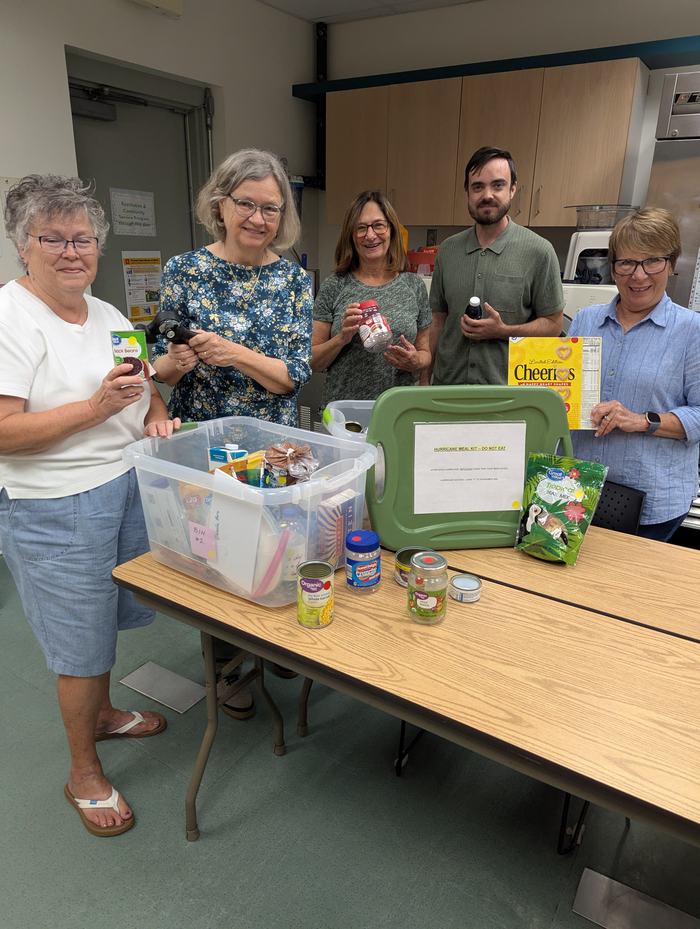
There are lots of lists available for you to follow and experts that can help. Most of
these emergency preparedness lists are fairly limited when it comes to advice about
food and food safety. They usually say something like “shelf stable foods” or “an
emergency food and water supply”. But, what does that really mean? The Family and
Consumer Science (FCS) team from the Cooperative Extension here in Brunswick County has developed a program that expands and clarifies these instructions. Our goal is to get you thinking about your Hurricane Food Kit and what your family might eat should a disaster happen.
You may want to start using up the food in your freezer to avoid loss if there is a power outage. As you do this, replace the food with containers of water. This will give you ice or drinking water down the road and will also help keep food in that appliance cold if the power is out. A freezer that is full will keep cold longer.
A couple of food safety related items you might want to purchase are freezer and
refrigerator thermometers (these are good to have all year round, not just in an
emergency). Place a thermometer in both the freezer and refrigerator. This way you can tell the temperature the inside these appliances if the power goes out. They now have thermometers that can read the temperature without opening the door—but they can be pricey and may need WIFI to work.
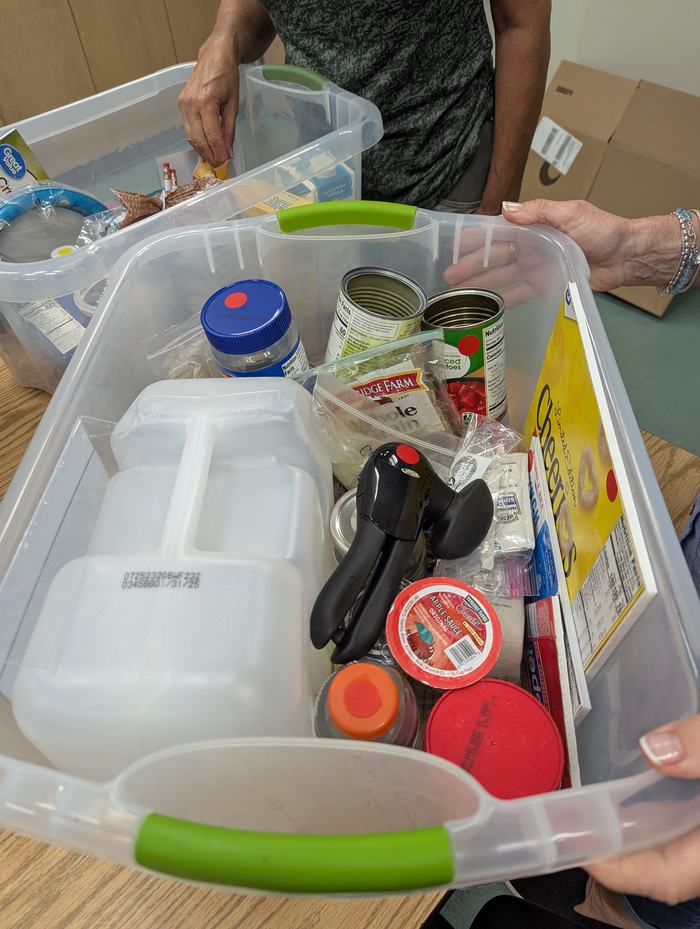
Also get a tip-sensitive digital food thermometer. This will allow you to check the actual temperature of the food. The best way to determine if food left in the fridge or freezer is safe to eat is to know its temperature. Food kept below 41 degrees is safe.
One more piece of kitchen equipment that’s important: a hand-operated can opener.
You also may want to think about setting some food aside for a hurricane food kit. Being prepared and having a food plan can really help reduce your stress and anxiety and will provide healthy meals and hydration during an emergency.
Check out our Hurricane Meal Kit program in the Family and Consumer Science (FCS) section of our local NC Brunswick County Cooperative Extension website. There is a sample hurricane shopping list and recipes that use these foods. Our website also contains fact sheets on Preparing for a Hurricane, Meal Prep After a Hurricane and Foods to Keep or Discard After a Power Outage.
We’re taking our Hurricane Meal Kits: Nutrition and Food Safety program on the road to many of the libraries in the county. These classes are free of charge and open to the public. You can pre-register at the specific library. Upcoming class locations include:- May 2 10 a.m. till 11 a.m. Leland Library
- May 23 2:30 p.m. till 3:30 p.m. Harper Library, Southport
- June 6, 10 a.m. till 11 a.m. Barbee Library, Oak Island
- June 10, 10 a.m. till 11 a.m. Southwest Library, Carolina Shores
- June 24, 11 a.m. till noon Rourke, Library Shallotte
Resources
- WECT Locals invited to ReadyBrunswick Preparedness
- Town of Leland Hurricane Expo
- Facebook Event page: ReadyBrunswick Preparedness
- University of Florida: Think Nutrition During the Hurricane Season
Syracuse is a Family and Consumer Science team member and can be reached at N.C. Cooperative Extension, Brunswick County Center 910-253-2610 or by email at Cheryle_Syracuse@ncsu.edu
Join our mailing list!
Enter your email address to receive updates.
Written By