Nowadays, knowing what to shop for at the grocery store can be challenging. The
“More In my Basket” team at NC State recently shared some tips on how to prepare for your next grocery shopping trip so you can make the most of your time and money (or SNAP/FNS benefits). Planning is the key before, during and after the shopping trip. These efforts can also help you make healthier choices and help avoid food waste.
Planning Ahead
The foundation of smart shopping is preparation, and it starts before you even think
about leaving the house. First, know your exact budget, including how much money you have available for food and any funds from SNAP benefits. Once you know your
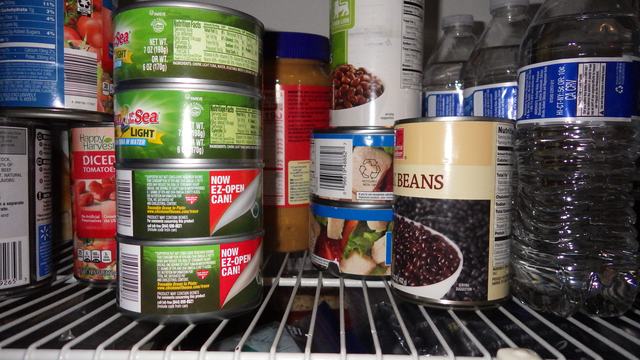
spending limit, take a thorough inventory of the food you already have at home, making a commitment to eat it first. This step prevents waste and lowers your shopping total.
Next, create a detailed shopping list, making sure it aligns with your food budget. This
can really help you decide what to put on your list. A helpful trick is to check the prices of products on your local grocery store website before you go out. Some people know the prices of things they frequently buy or they keep these listed in a notebook so they can compare. As you plan, only buy the food that can realistically be eaten before it spoils.
Remember that frozen, canned, or other shelf-stable foods will naturally last longer than perishable items. If you choose to save money by buying bulk or large packages of food, be sure to set aside time in your schedule to divide, package, and freeze those items right away to preserve their freshness.
Before Shopping
Before stepping out, develop your food plan for the week. Take the time to map out
your daily meals, snacks and packed lunches. This level of detail helps you choose items carefully, reduce impulse buys and make the most of your leftovers.
Don’t forget to look online for coupons, sales and store specials. Always check the fine print to confirm these deals genuinely give you the best value for your money. If they are available, sign up for store discount cards, bonus cards or on-line specials. These often unlock significant savings.
During Shopping
Once you’re at the store, the one “golden rule” is to never shop while you’re hungry. Eat a meal or snack before heading out. This simple act helps you maintain focus and stick to your list and budget. It’s also a good idea not to shop when you’re tired.
While browsing, don't be afraid to try store brands; they typically offer the same quality as name brands but at a lower cost. Always take a moment to compare products and look at the price per unit to determine the best deals. Finally, secure the freshest items by checking the “use by” and “sell by” dates before putting anything in your cart.
After Shopping
Your efforts to save continue after you get home with the groceries. Store your fresh
food in the freezer or refrigerator right away to maintain quality and safety.
If you purchased a large amount of fresh protein, such as meat, poultry, or fish,
immediately divide it into smaller, meal-sized portions and freeze them, making sure to label the packages with the purchase date. The final step is managing your stored food wisely: always apply the "first in, first out" rule and use food with the earliest expiration date first to prevent anything from going to waste.
In case you don’t know, SNAP stands for the Supplemental Nutrition Assistance Program and was formerly known as “food stamps.” In North Carolina, it is also called Food and Nutrition Services or FNS. SNAP is available for low-income families across the state and if you want to learn more about it, contact the “More In my Basket” team at NC State.
They offer free SNAP application assistance in English, Spanish and Portuguese Monday through Friday, 8 am until 5 pm.
Contact the “More In My Basket” team toll free at 1-855-240-1451 or visit their website at morefood.org.
Resources:
https://snaped.fns.usda.gov/snap/EatRightWhenMoney'sTight.pdf
Syracuse is a Family and Consumer Science team member and can be reached at NC Cooperative Extension, Brunswick County Center 910-253-2610 or by email at clsyracu@ncsu.edu