Many people are trying to eat more locally grown and/or North Carolina-grown foods. Choices of local foods can be limited in these colder months. But, there are some cold weather crops available at local farm markets right now.
Winter Cabbage and Soup
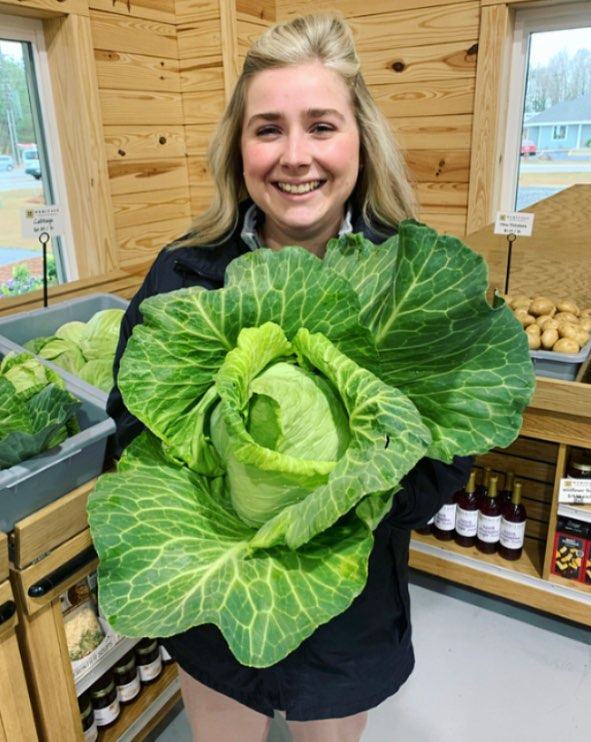
Cabbage is one of them. Eastern North Carolina farmers can produce two crops of cabbage a year. Cone or pointed head cabbage is currently available at some local farmer’s markets. These cabbages are conical in shape and generally have a milder flavor than the more common green cabbage.
In 2020 each person in the United States ate about 6 ¼ pounds of cabbage. That’s way down from a century ago when people ate 22 pounds a person a year. Most cabbage (45%) is eaten as coleslaw and 12% of is consumed as sauerkraut.
When buying, pick cabbage that is firm and heavy for their size. Avoid cabbage with yellow leaves, splits, or soft spots. The outer leaves should look fresh and free of blemishes.
At home, refrigerate the unwashed cabbage head in a plastic bag. It should keep 1-2 weeks. Once cut or shredded it will only keep 5-6 days in the refrigerator.
Before using, peel off the outer leaves if they are soft or wrinkled and wash thoroughly. Cut the cabbage in half from the stem end, and then lay the halves flat side down on a cutting board and begin to cut small slices or shreds from end to end. Do not eat or slice into the core. A three-pound cabbage head will give you 12-16 cups of shredded raw cabbage.

Cabbage is a cruciferous vegetable that is rich in phytochemicals, which help boost the immune system and help lower the risk of heart disease and certain types of cancer. Nutritionally, cabbage is low in calories with only 20 calories per cup. This cup of cabbage has 2 grams of dietary fiber, 3 grams of natural sugar with zero fat. It also has 45% of the vitamin C we need every day.
In addition to slaw and sauerkraut, cabbage can be steamed, baked or sautéed. Stuffed cabbage or cabbage rolls are a favorite of mine.
One way to get the taste of cabbage rolls without all the work is Cabbage Roll Soup. This recipe was originally developed by a colleague, Jeanette Muir from Ohio State University Extension.
I’m always looking for ways change recipes to make them a little easier or a little healthier.A couple tips for this soup:
- Add very lean ground turkey instead of ground beef, this cuts the fat a little.
- Use a bag of already shredded coleslaw mix (purchased in the produce section of the grocery store) instead of a shredding your own fresh cabbage. This saves lots of time and mess. It may have some carrots or red cabbage added, just consider this a bonus.
- Look for low-sodium broth to cut the sodium.
- Leave the salt out and allow the diners to add their own, if necessary.
- Reduce or omit the brown sugar.
- I use brown rice instead of white to add a little more fiber to the mix. This takes a little longer to cook.
Cabbage Roll Soup
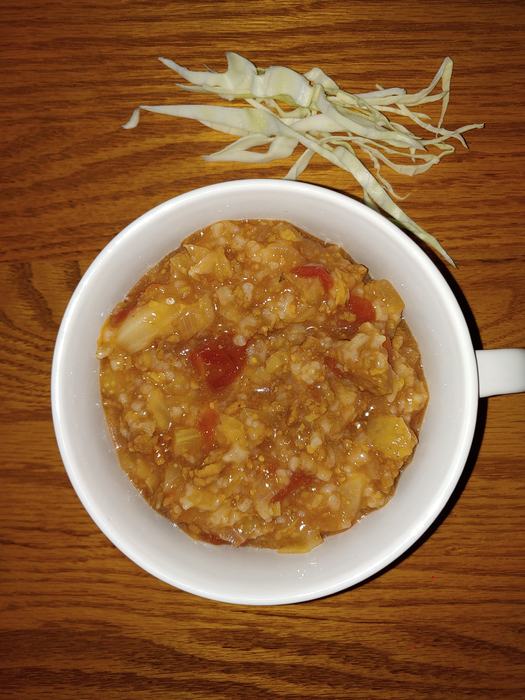
- 1 pound lean ground beef
- 1 (16 ounce) package of shredded coleslaw mix or ½ head of shredded cabbage
- 1 large onion, chopped
- 2 (14 ½ ounce) cans beef broth
- 1 (28 ounce) can of crushed tomatoes puree or diced tomatoes
- 1 cup water
- ¼ cup packed light brown sugar
- 1 Tablespoon lemon juice
- 1 teaspoon salt (optional)
- 1/3 cup rice
In a 6 quart pot, using medium heat, brown the ground meat. Add the shredded cabbage or coleslaw mix and onion. Cook covered for 4 minutes, stirring after 2 minutes. Add tomatoes, beef broth, water, brown sugar, lemon juice and salt. Bring to a boil. Add rice; reduce heat to medium-low. Simmer, covered 30-40 minutes until the rice is tender. Makes about 8 2-cup servings.
Enjoy. Tastes like cabbage rolls, but eaten with a spoon.
Sources
- NC Steps to Health and Ag Issues Center
- University of California
Cheryle Syracuse wrote this article and more similar ones for the Family and Consumer Sciences Column in the Brunswick Beacon. Syracuse is an FCS team member and can be reached at N.C. Cooperative Extension, Brunswick County Center, 910.253.2610 or by email at cheryle_syracuse@ncsu.edu.
Join our mailing list!
Enter your email address to receive updates.
Written By

More About