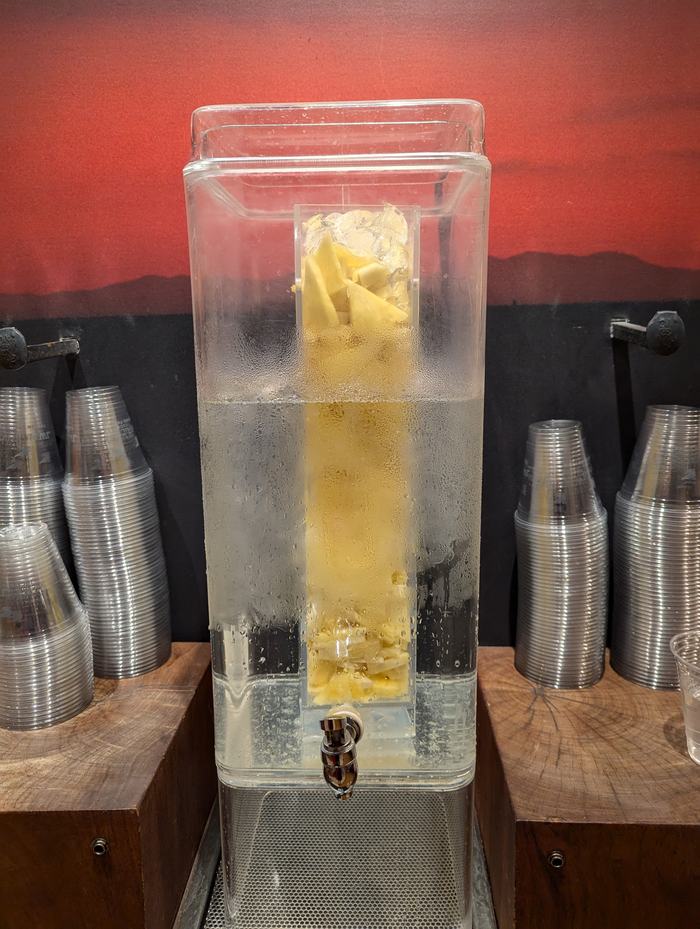
We hear more and more about the importance of good hydration and drinking water.
This is important for our overall health and water plays a huge role in our body’s normal function. Water helps regulate body temperature, eliminate waste, cushion joints, and protect tissue. In general, we get about 20% of our daily water through the foods we eat and the rest from the actual water we drink. But, do you sometimes get to the end of the day and realize you really haven’t had enough (or any) water?
This brings me to the topic of this week’s column: INFUSED WATERS
They are water combined with various fruits, vegetables and herbs. They are usually
displayed in large colorful inviting containers. I’ve seen them in hotel lobbies, fitness
center and gyms.
Adding these “extras” to the water can make it more interesting and improve the taste
of plain water. Infused water can be a healthy alternative to higher sugar beverages.
With no added sugar and virtually no calories, infused water may even get you to drink more or it.
Infused waters are easy to make a home. While you really don’t need a recipe, there are many available to give you ideas for flavor combinations. Here’s a suggestion from our Med Instead of Meds recipe file for an infused water that combines cucumber with citrus fruits.
A couple of tips: The longer you let this beverage chill in the fridge, the more flavor it
will have. To intensify the flavors even more, try muddling or mashing the ingredients to draw out the essential oils in the herbs, rinds and fruits. Instead of plain water, change it up by experimenting with sparkling, seltzer or unsweetened coconut water.
- 1 cucumber, sliced
- 1 orange, sliced
- 1 lime, sliced
- 1 cup ice
- Water
Add cucumber, orange and lime slices to a 2-quart drinking pitcher. Top with ice and
then add water. The water can be served immediately, but for more flavor, chill for at
least 30 minutes before serving. Makes 8 one-cup servings. Nutrition information
(based on consumption of cucumber, orange and lime): 1 cup provides 11 calories and 1 gram of fiber.For those that know me or read my columns often, you know I’m always thinking about and including a related food safety topic. Here are some safety tips to keep in mind when preparing and serving infused water:
- When buying fresh fruit, choose high quality produce without any bruises or
damage.
- If you’re buying pre-cut fresh fruit, such as watermelon cubes, only choose
refrigerated items or items surrounded by ice.
- Before preparing, wash hands thoroughly with soap under warm running water
for 20 seconds. Use clean prepping surfaces, cutting boards and utensils.
- Wash all produce and herbs under cold running water before slicing and dicing.
This even includes the inedible parts such as peels, skins and rinds. A scrub brush for fruits and vegetables with hard skins or peels can help clean the produce. Do not use soap or detergent.
- Store infused water in a clean and sealed container.
- Treat infused water as you would any other refrigerated foods. Keep the water at or below 41 degrees F. You can do this by adding ice and checking the temperature with a thermometer to make sure it stays in the safe temperature zone.
- If the water is staying out of the refrigerator, allow it to sit out at room temperature for no more than four hours. After that it should be pitched. (Keep this in mind if you’re putting infused water in your refillable water bottle.)
- Infused water should be enjoyed the day it is made or the next day. Don’t take a batch of infused water from the previous day and add to it.
- Even though it is just a small amount, to gain the nutritional benefits from the fruits and vegetables, go ahead and eat the produce.
Again, there are no rules for which ingredients or combinations are used to make
infused water. Select your favorites or experiment a little.
Sources: NC State Safe Plates, Ohio State University Extension, Michigan State University Extension and medinsteadofmeds.com
Syracuse is a Family and Consumer Science team member and can be reached at N.C. Cooperative Extension, Brunswick County Center 910-253-2610 or by email at
Clsyracu@ncsu.edu