I’m sure you’ve heard about the Mediterranean Diet. It has been ranked by health and nutrition experts as one of the top three healthy diets that you can eat. The other two are the DASH (dietary approaches to stop hypertension) and the flexitarian (semi- vegetarian) diets. All three diets are evidence-based, contain a variety of nutrient dense foods and (this is one of the most important) sustainable—meaning it’s a way-of-life not a diet you go on-and-off.
NC State, N.C. Cooperative Extension and North Carolina Division of Public Health have developed a wonderful program that focuses specifically on the Mediterranean Diet. We call it Med Instead of Meds. The name of the program comes from the concept that eating a Mediterranean Diet can help a person reduce their need for medications.
This eating pattern incorporates the basics of healthy eating that are traditionally
practiced in countries that border the Mediterranean Sea. Eating like those who live in
this region has been shone to promote health and decrease risk of many chronic
diseases including cancer, cardiovascular disease, metabolic syndrome, Alzheimer’s and Parkinson’s.
The main components of the Mediterranean Diet include: Learn more about the Med Instead of Meds program at the website (Med Instead of Meds Website). There are on-line videos that explain the basic concepts in eating “the Med way” and many recipes that incorporates these concepts into everyday diets.
- Healthy Proteins: replace some of the meat in your diet with plant proteins.
- Swap Fats: replace solid fats such as butter or margarine with olive or canola oil
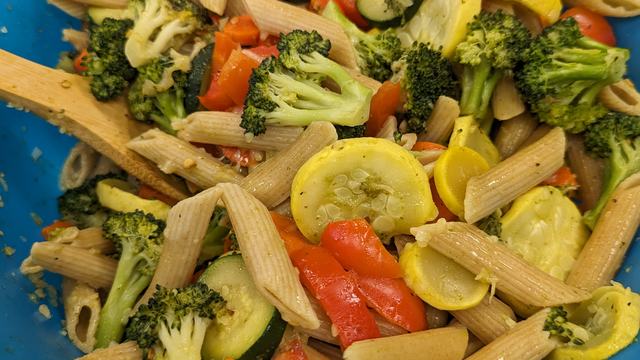
- Eat More Fruits and Vegetables: aim for at least five servings a day.
- Snack on Nuts and Seeds: choose at least three-ounces a week.
- Make Grains Whole: choose whole grains such as oatmeal, whole wheat, quinoa and popcorn.
- Rethink Sweets: limit sugar intake and limit the numbers of sugar-sweetened snacks, candies, desserts and beverages eaten.
- Incorporate Fish: Eat at least eight-ounces of seafood each week. We’re lucky to have local fresh fish as an option, but it can be expensive. Canned fish is a good alternative for those on a budget. Try canned tuna or salmon. When possible, choose fatty fish such as salmon or tuna for a good source of omega-3 fats.
- Keep it simple: Following the diet doesn’t need to include Greek artisan breads, expensive olive oil, or an aged bottle of wine. Many of the foods that are part of the Mediterranean Diet can be found at most grocery stores.
- Include physical activity: The “diet” also includes the recommendation of at least 30 minutes of physical activity on most days of the week.
If you’d like a more in-person way of learning, you can participate in our Med Instead of Meds classes. We have two opportunities coming up in the Calabash and Carolina
Shores areas. These classes are free of charge. But pre-registration is requested and
space limited.
Med Instead of Meds classes will be offered at the Brunswick Center at Calabash (Senior Center in Calabash) 10050 Beach Dr SW on Tuesdays February 3, 10, 17 and 24 from 10:15 am till 11: 45 am. Register at the Senior Center.
An additional Med Instead of Meds series will be offered at the Southwest Library
(Brunswick County Library Carolina Shores Branch) 9400 Ocean Highway West in
Carolina Shores on Thursdays May 7, 14, 21 and 28 from 10:30 to noon. Registration can be completed through the library.
Each week in this four-week series focuses on a different aspect of the Mediterranean diet. Each week will include a food demonstration and samples, so you can taste for yourself that the Mediterranean Diet is not only healthy, it can be delicious and satisfying.
Avery Ashley, Family and Consumer Science Extension Agent and Extension Master Food Volunteers from N.C. Cooperative Extension in Brunswick County will be teaching these classes. For additional information about the class series contact Ashley at N.C. Cooperative Extension, Brunswick County Center at arashley@ncsu.edu or by calling 910 253 2610.
Eating “the Med way” doesn’t require major changes in eating habits—just little switches that can make a big difference in the long run.
Resources:
Top Expert-Recommended Diets Overall
https://medinsteadofmeds.com/
Syracuse is a Family and Consumer Science team member and can be reached at NC Cooperative Extension, Brunswick County Center 910-253-2610 or by email at clsyracu@ncsu.edu