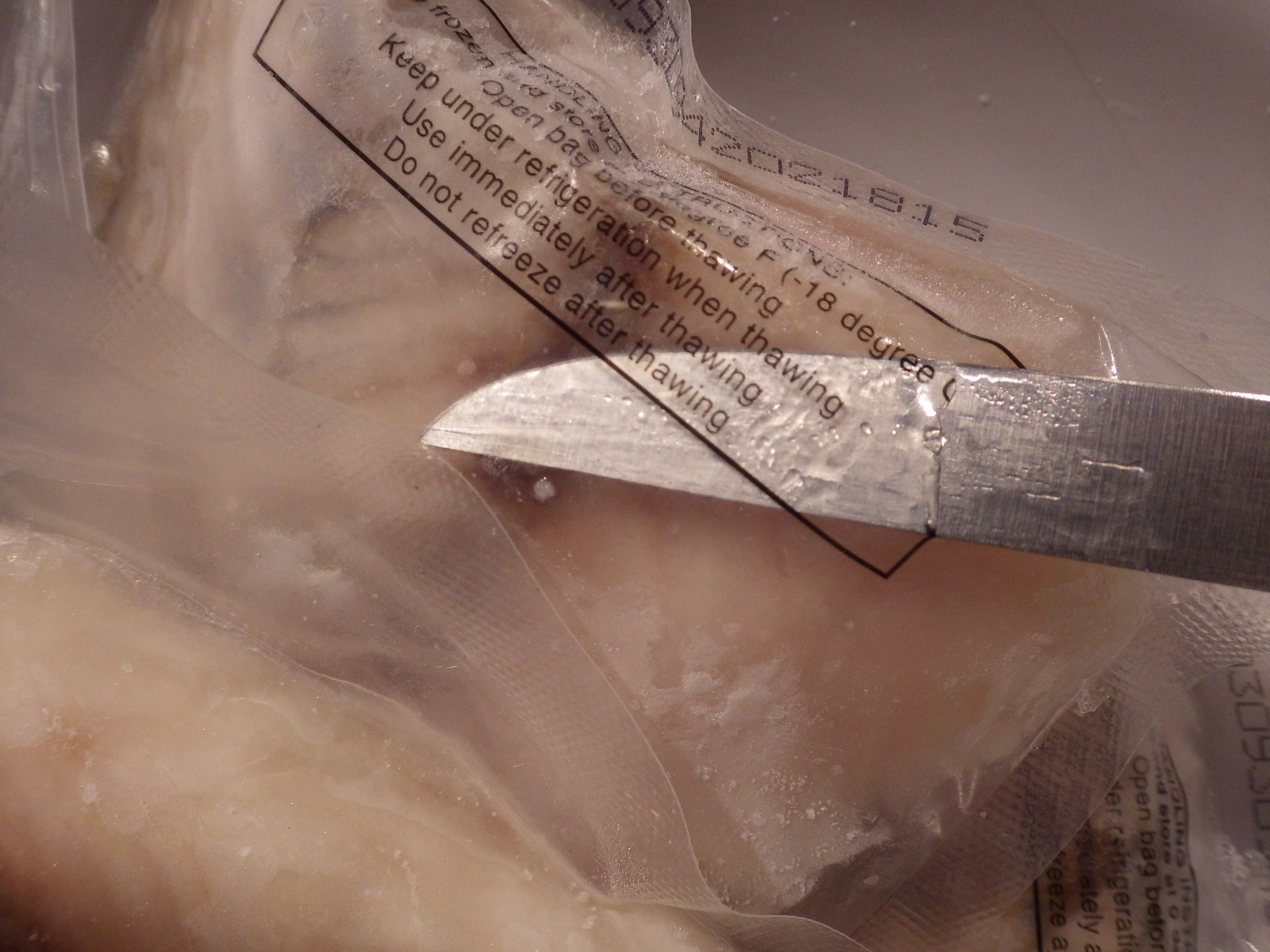
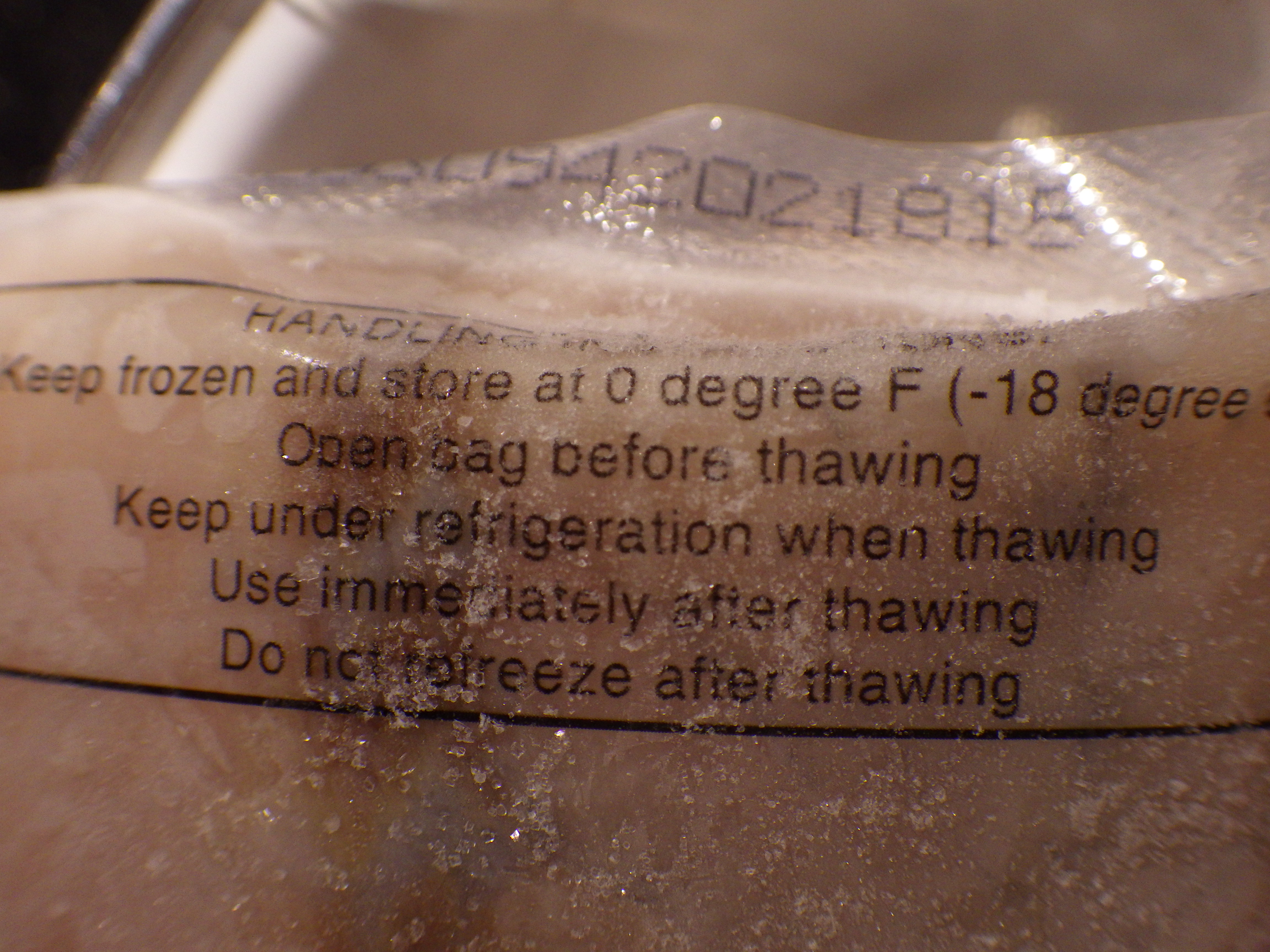
There are several recommended safe methods for thawing food. One “best practice” is in the refrigerator. Most foods will thaw overnight, larger items may take several days (the general “rule of thumb” is one day for each five pounds of food). It’s recommended to place the food in its original wrapping on a plate or tray while thawing so that any drippings won’t potentially cross-contaminate other foods in the refrigerator.
Thawing Vacuum Packed Fish
(Updated: Nov. 15, 2021, 5:47 a.m.)
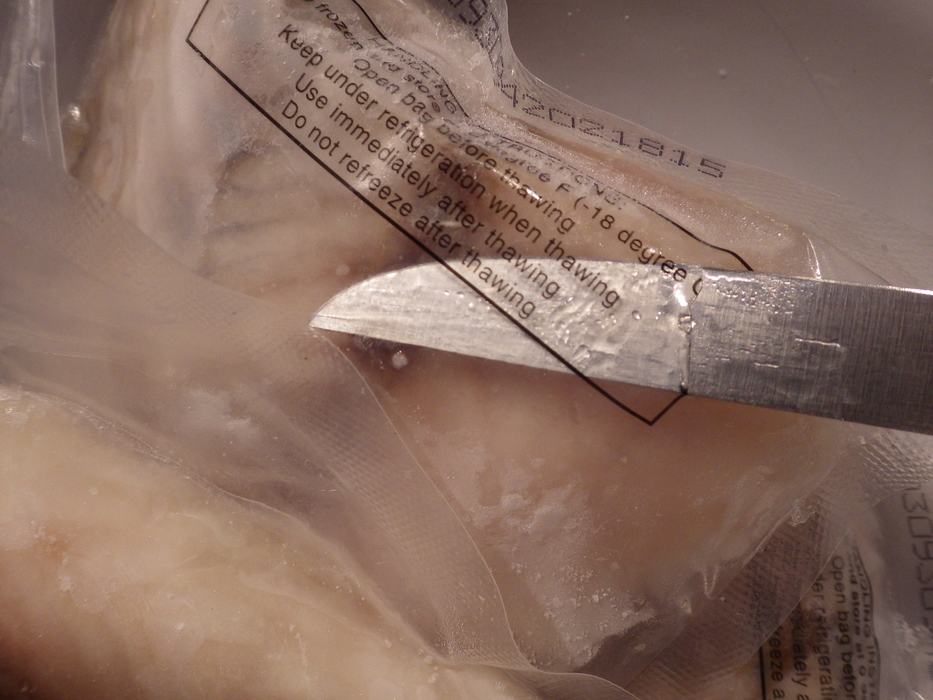
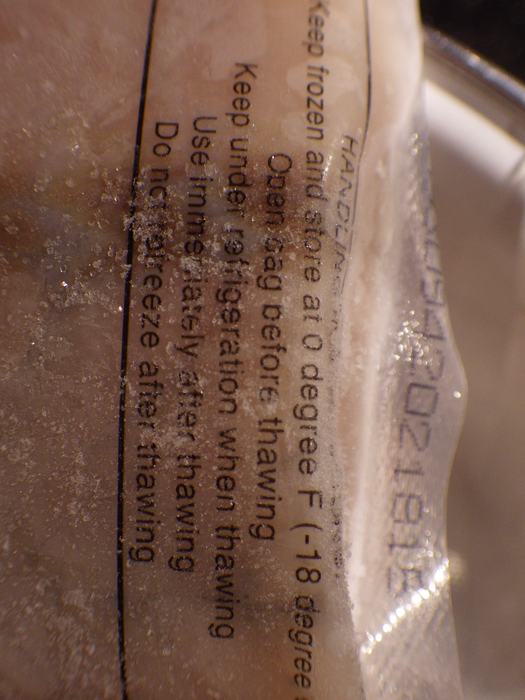
One exception is when thawing vacuum packed fish. These fish should not be thawed in the package. The concern is the potential for the growth of botulism. This foodborne toxin can grow in an anaerobic (airless) environment which is created when the fish was vacuum packed. There is a specific type of botulism related to fish and will grow under refrigeration. Botulism is a potentially dangerous and deadly foodborne illness. Botulism needs the right temperature and time to grow within the food. If you thaw that the fish in the vacuum package in the refrigerator the conditions may be right for this botulism to grow.
There is an easy solution. Either take the fish out of the package or simply cut a hole in the vacuum package to allow air inside before putting the fish into the refrigerator to thaw. This is no longer an anaerobic environment. So no longer risky.
Source: Cheryle Jones Syracuse, Family and Consumer Science Staff, cheryle_syracuse@ncsu.edu
Join our mailing list!
Enter your email address to receive updates.
Written By

Contributors