Leftovers. Some folks look forward to them and say foods are better the next day. Others just store them in their refrigerator until something green grows and then they pitch them. No matter if you have a love or hate relationship with leftover food, there are some important steps you can take to make sure the food stays safe to eat.
Keeping Leftovers Safe
(Updated: Jan. 25, 2022, 9:47 a.m.)
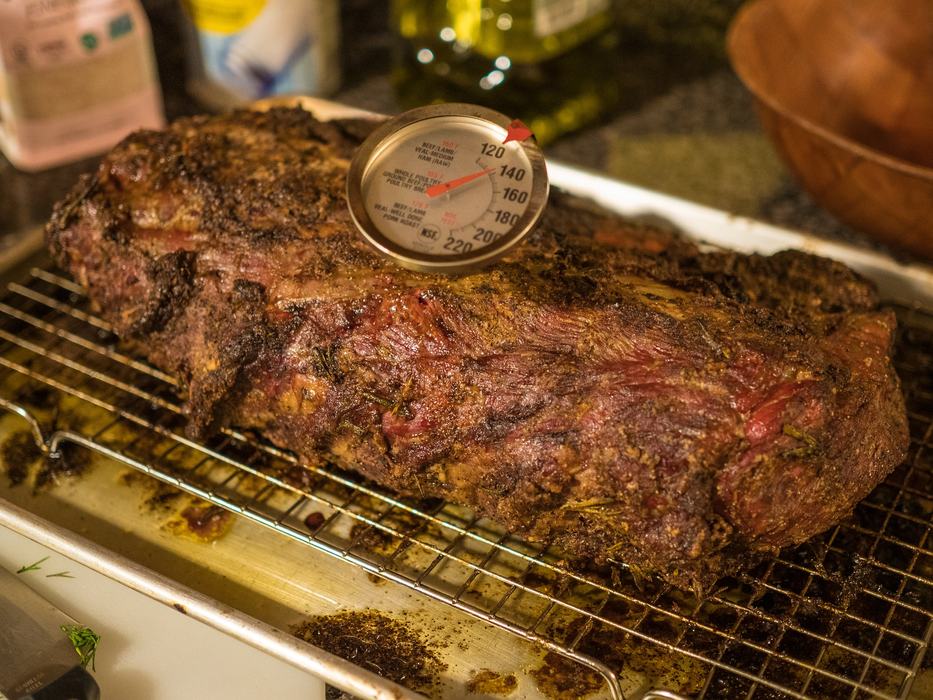
The first step in having safe leftovers is cooking the food safely in the first place. Clean your hands and work surfaces before cooking. Use a food thermometer to make sure the food is cooked to a safe, minimum internal temperature.
Once the food is “officially” leftover, here are some additional steps to keeping it safe and appealing- Refrigerate leftovers as soon as possible. Keep in mind how long food has been sitting out on the table or counter. Throw away perishable foods, such as meat, poultry, eggs, and casseroles, left at room temperature longer than two hours.
- If your leftover is from a restaurant and you plan to go to a movie or do errands after eating, then you should skip the “doggie bag.”
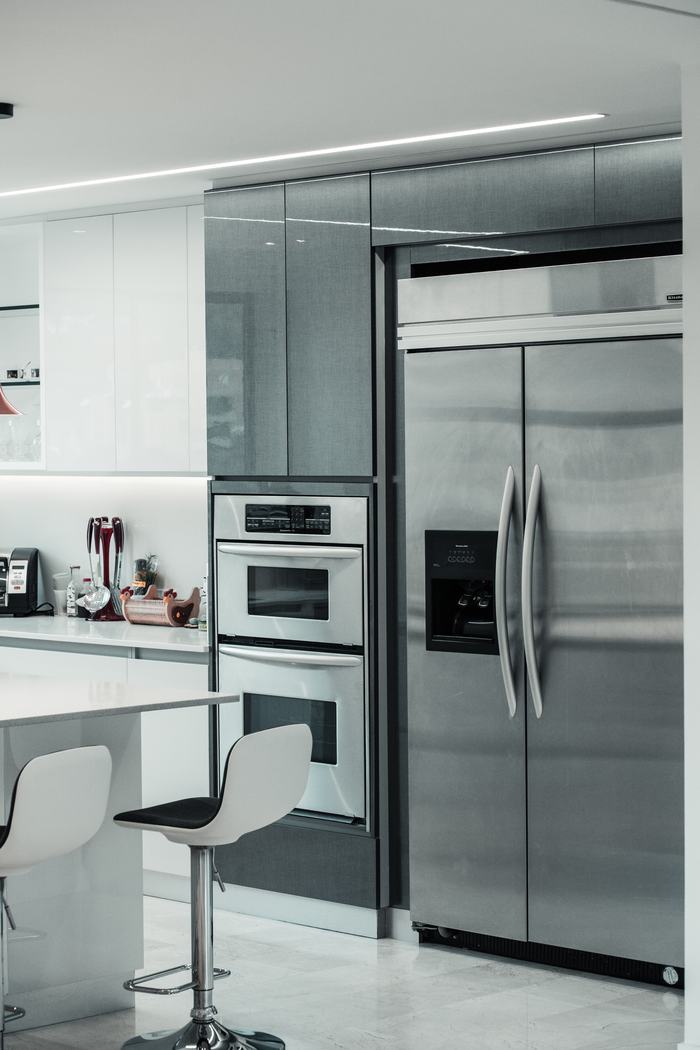
- Cool food quickly, so it reaches refrigeration temperatures rapidly, to prevent bacteria growth. Keep your refrigerator temperature below 40 °F. Let your refrigerator cool leftovers, don’t let it set out at room temperature to cool.
- Cool food properly. Separate food into smaller portions and place in shallow pans in the refrigerator. Use an ice bath to cool large quantities of foods such as soups and stews.
- If leftovers tend to get lost in your refrigerator, store them in clear containers so you can easily see what’s in them. Label the storage containers with the product name and with the throw away date. Move food that will spoil first to the front of the refrigerator, this will be a reminder to eat it soon.
- Cover leftovers or seal them in storage containers. While this may seem basic, these practices help keep bacteria out, retain moisture and prevent leftovers from picking up odors form other food in the refrigerator.
- If you reheat a whole container of leftovers, but don’t finish the entire portion, refrigerate what’s left immediately so it can be safely reheated again, Better, yet, reheat only one portion at a time rather than reheating and cooling leftovers repeatedly.
- Not a leftover lover? To avoid eating the same thing day after day, transform leftovers into completely different meals. Find inventive ways to reuse the leftovers in new recipes. Ask yourself if the food items can be turned into a salad, a stir-fry, soup, sandwich, quesadilla or casserole.
- Plan to eat leftovers in 3-4 days. While the food will be safe for seven days, the quality of some dishes may not last that long.
- Aren’t sure if you and/or your household will eat all of your leftovers within a few days? Freeze a few portions after initially cooking and enjoy another week.
- For best quality freeze food in shallow packages that will freeze quickly. Quick freezing stops large ice crystal formations from occurring. Large ice crystals can cause the food’s quality and texture to deteriorate. When freezing, use freezer containers or wrap in a moisture/vapor-resistant material. Old cottage cheese cartons, old bread wrappers, plastic grocery bags and yogurt containers are not good for freezing.
- When foods are frozen, they are safe indefinitely, but food quality especially moisture and flavor can change over time. The length of time the food retains good quality in the freezer depends upon the type of food, the packaging and the temperature of the freezer. Casseroles, soups, stews, gravy, and cooked meat will be best quality frozen for 2-3 months and cooked poultry is best before four months.
- When you're ready to eat leftovers that you stored in the freezer, thaw in the refrigerator, under cold running water, or in the microwave.
These steps can help you avoid food waste while insuring your leftovers are not only tasty and convenient, but also safe to eat.
Sources:
- US Food and Drug Administration
- University of Nebraska Lincoln Extension
- Pennsylvania State University Extension
- Michigan State University Extension and United States Department of Agriculture.
Cheryle Syracuse wrote this article and more similar ones for the Family and Consumer Sciences Column in the Brunswick Beacon. Syracuse is an FCS team member and can be reached at N.C. Cooperative Extension, Brunswick County Center, 910-253-2610 or by email at cheryle_syracuse@ncsu.edu.
Join our mailing list!
Enter your email address to receive updates.
Written By

More About