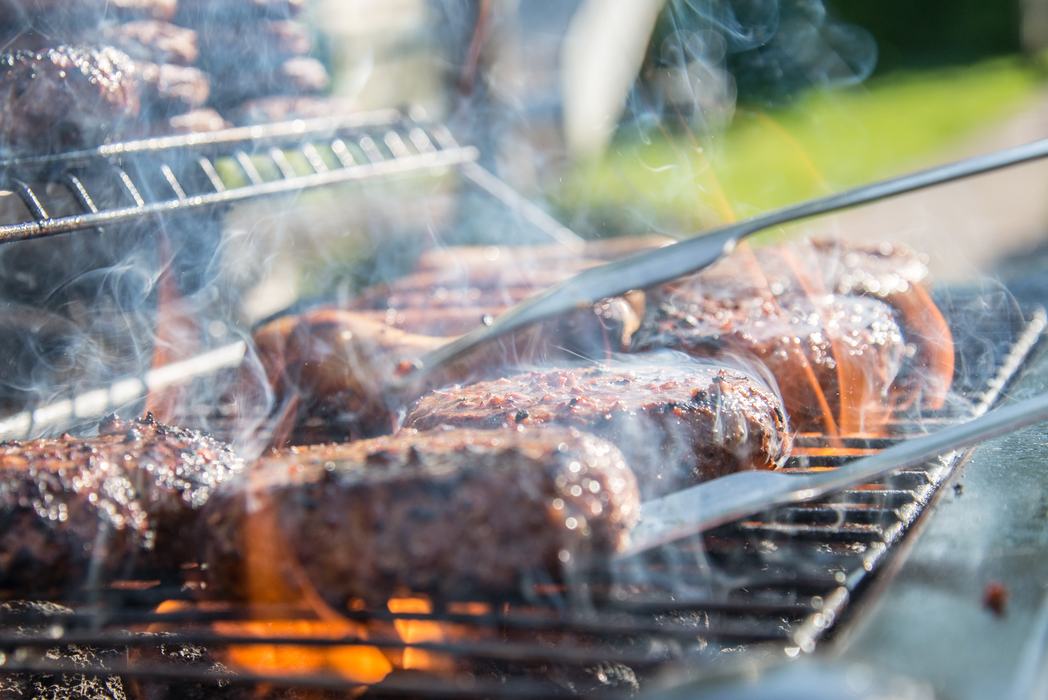
A recent series of posts on Backyard BBQ caught my attention. There were four segments on BBQ featuring Dr. Dana Hanson, Associate Professor and Extension Specialist in Meat Science.
Dr. Hanson showed how to prepare a perfect pork butt North Carolina style, Barbeque chicken in the kitchen and spare ribs. He also offers a short video on assembling a BBQ-Martini (spoiler: grilled, not stirred, no gin and no olives) where the ingredients are shredded pork, beans, slaw and a few pickles.
Another segment shared how to make and use a dry rub for meat. Hanson explains that dry rubs can be as complicated or as simple as you want them. He’s of the mindset that simpler is better saying that the meat should be the showcase, after all, not the rub. Here’s a recipe for dry rub recipe developed by the Meat Lab at the College of Agriculture and Life Sciences (CALS) at NC State University. This versatile seasoning works well with many kinds of meat, including beef briskets, chicken or pork. Use it as a base rub to enhance whatever sauce or signature flavor you prefer.
CALS Tailgate Dry Rub
Ingredients
- 1 cup kosher salt
- 1 cup coarse pepper
- 1 Tablespoon onion powder
- 1 Tablespoon garlic powder
- Red chili pepper flakes (to taste)
- Sugar (optional)
Directions
- Add the ingredients, one at a time, into a food storage container. Mix well by shaking or stirring. Before cooking, sprinkle a little of the mix onto each side of the meat.
- Sugar is a common ingredient in dry rubs, but optional in this one, particularly if you want to cut the salt flavor. Be careful not to add too much sugar (no more than 20% of the total rub mix or six tablespoons for this recipe), or it will caramelize and possibly burn when cooking.
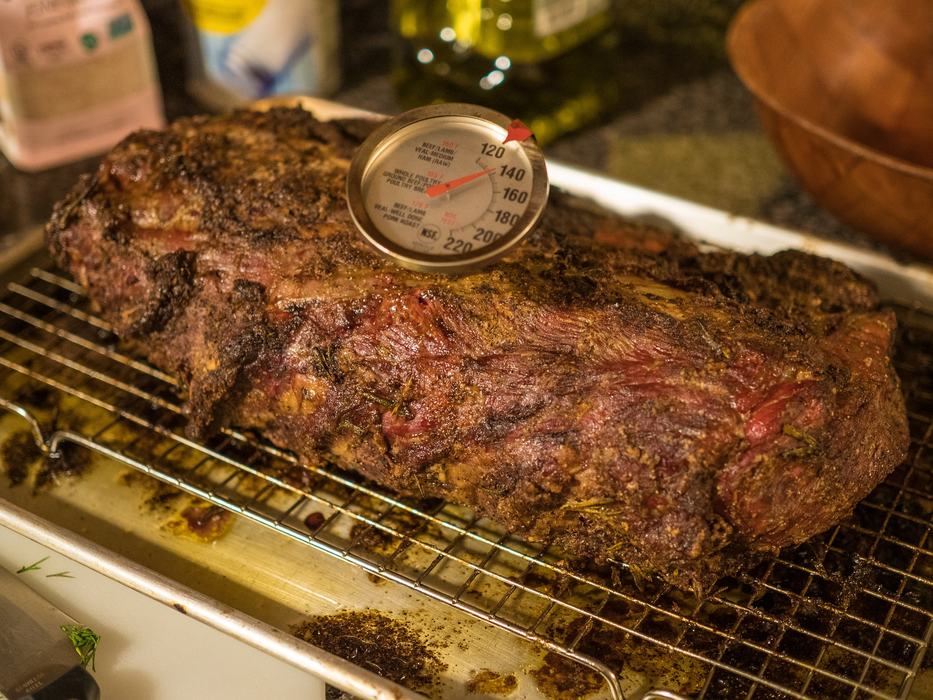
Always cook meats to the appropriate internal temperature to kill potential pathogens (e.g., beef and pork should reach 145ºF, poultry should reach 165ºF). Check temperature with a food thermometer at the thickest part of the meat. In the Homegrown videos, Dr. Hanson cooked most of the meats to a higher temperature for tenderness and flavor. Our Safe Plates Information Center has a great fact sheet on Grilling Safely at Home.
In one of the videos Dr. Hanson mentions an award-winning Howling Hog BBQ Sauce that has been developed by CALS Meat Science students. If you’re in the Raleigh area it’s available for sale at the The Howling Cow Dairy Education Center and Creamery at 100 Dairy Lane, off Lake Wheeler Road, in Raleigh. While you’re there, be sure to check out their ice cream and milk.
Homegrown
You can watch the Backyard BBQ series yourself, it can be found at NC State University Homegrown. All past videos are archived at this site, too. You can subscribe to get an email announcement when new Homegrown videos have been posted.Each month Homegrown videos feature three different segments: In the Garden, In the Kitchen and On the Farm. Homegrown shares tasty, nutritious recipes and safe food prep tips; shows what’s in season and how it’s grown; and shows where our food comes from and what it takes to feed North Carolina. Check them out today.
Cheryle Syracuse wrote this article and more similar ones for the Family and Consumer Sciences Column in the Brunswick Beacon. Syracuse is an FCS team member and can be reached at N.C. Cooperative Extension, Brunswick County Center, 910-253-2610 or by email at cheryle_syracuse@ncsu.edu.