Our Family and Consumer Science Extension Agent, Avery Ashley, is really into
fermentation. He recently shared his knowledge and skills at a Sauerkraut/Fermentation class at Rourk Library in Shallotte. I was fortunate to attend this class.
Ferment That
(Updated: Nov. 13, 2023, 9:06 a.m.)
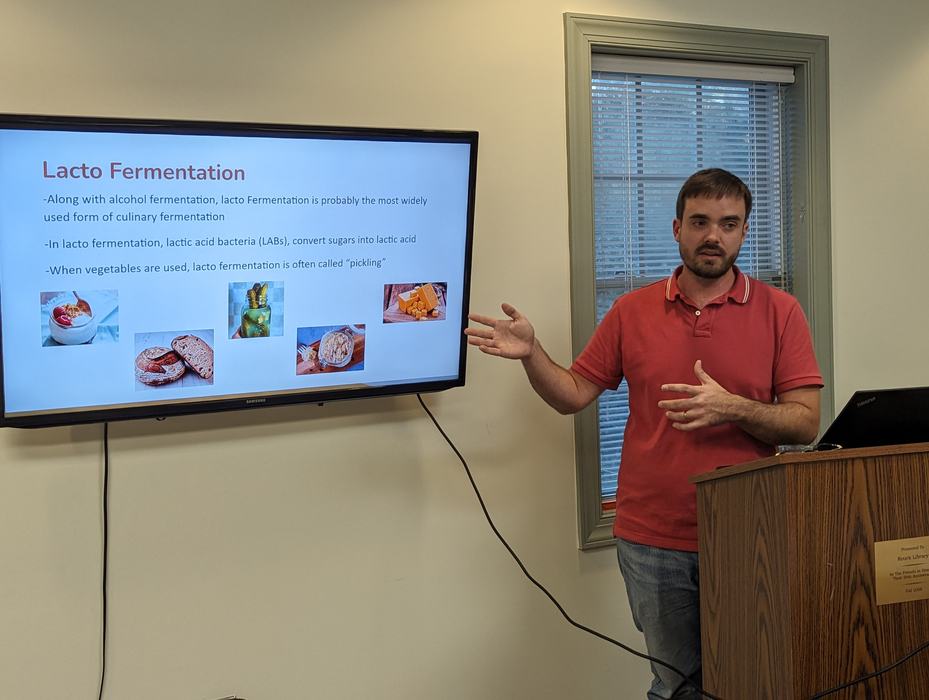

Ashley began the class by sharing some history and background into fermentation. Since fermentation was a necessity for preserving food prior to refrigeration, canning and freezing, every culture in the world has traditional foods that are fermented. Commonly known fermented products include yogurt, sour cream, cheeses, kombucha, kimchee, wine, beer, sauerkraut and natto (fermented soy beans). Even coffee and cocoa beans are fermented before used in making coffee and chocolate.
Scientifically, when fermented, foods are preserved when bacteria or yeasts (either
natural or added) converts the natural sugars in the food to into acids. The higher
acidity of these foods preserves them by preventing the growth of harmful bacteria.
In addition to preserving the food, fermentation changes their flavors, aroma,
appearance and nutritional value. Fermentation can break down some nutrients making them easier to digest and more readily available for human absorption. Good examples of this are when lactose is broken down in yogurt and aged cheeses this may allow those that are lactose intolerant to enjoy these foods.
Ashley also reported that, while this is a ancient, world-wide practice there has been no recorded cases of foodborne illness or food poisoning resulting from raw vegetables that have been fermented properly. The biggest safety concern with fermented foods is contamination after the food has been fermented.
Saying that, Ashley offered some cautions and advice for folks wanting to “try this at home”. These include:- Make sure you’re using a trusted source for instruction or recipes (especially Extension or USDA publications)
- Clean your utensils, hands and equipment before using them. In some cases, sterilization of equipment is recommended.
- Use good clean food products.
- Monitor your ferment frequently to make sure it is going as expected. Small amounts of yeasts and molds should be removed if they appear.
- Don’t try to ferment fish, meat or eggs.
- Don’t try to ferment things in oil or honey. This is a botulism risk.
- Don’t use a heat treatment to process fermented foods unless you are following recipes and procedures that have been tested for this purpose.
- Discard products that feel slimy or have a bad odor.
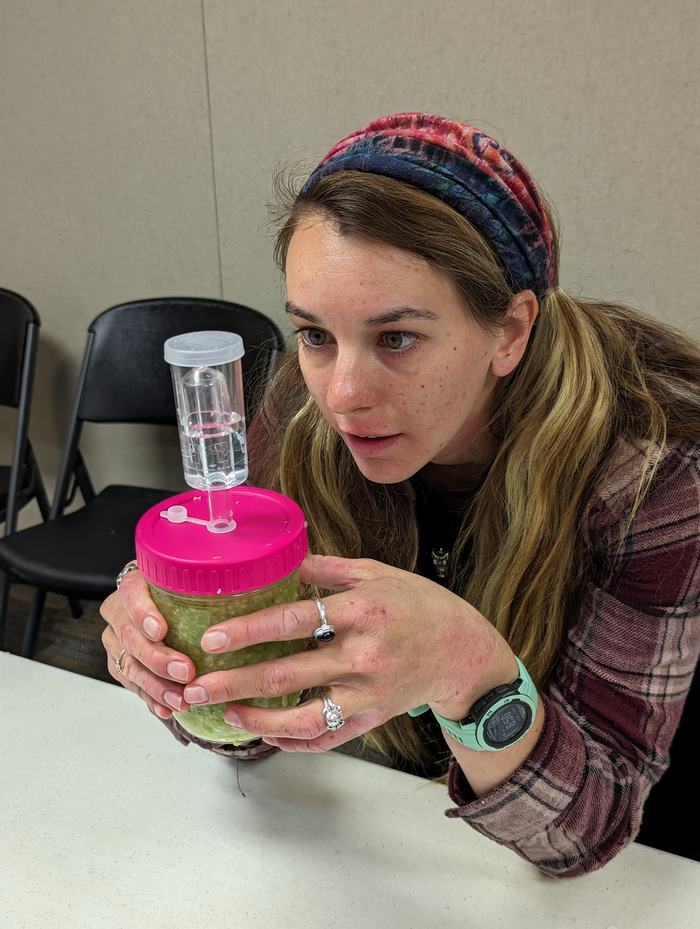
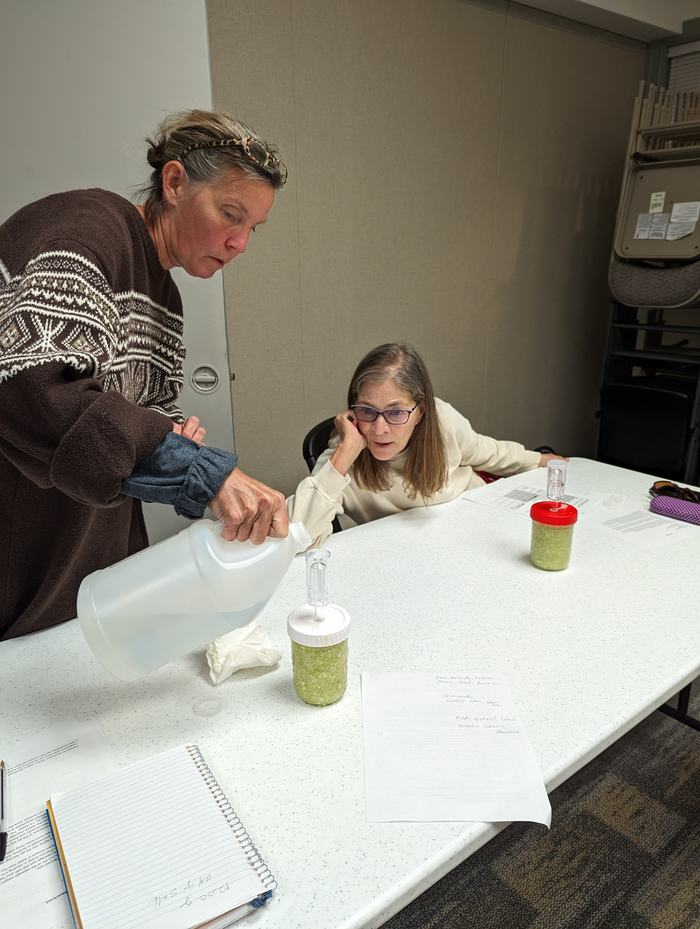
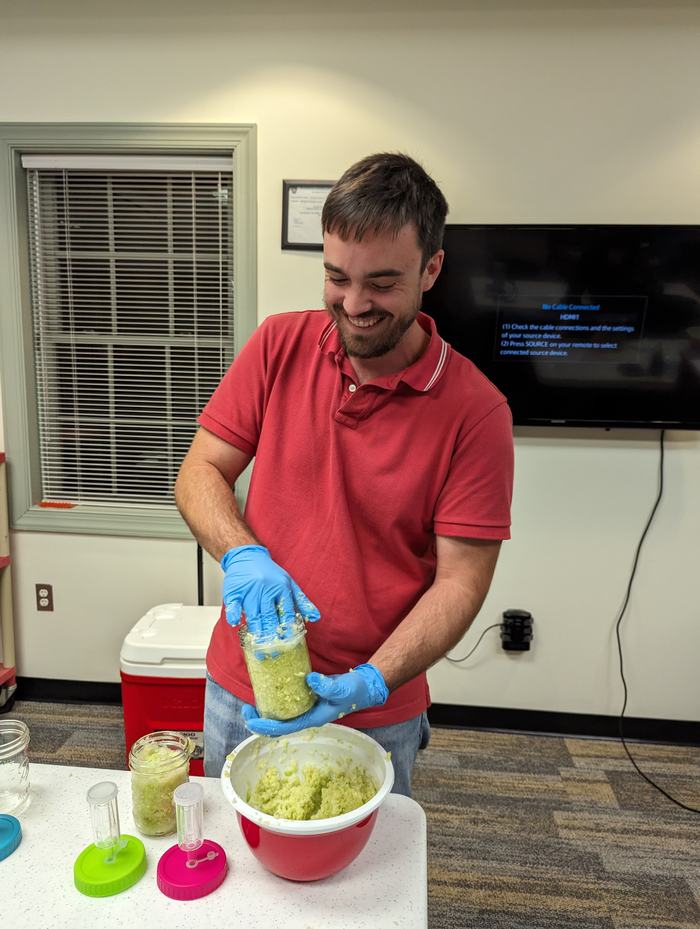
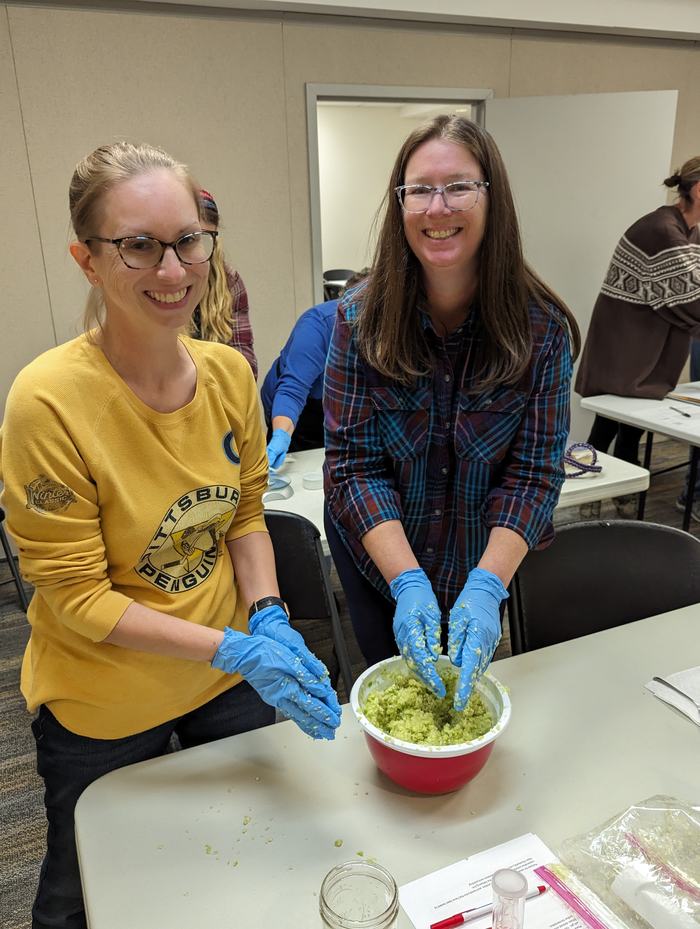
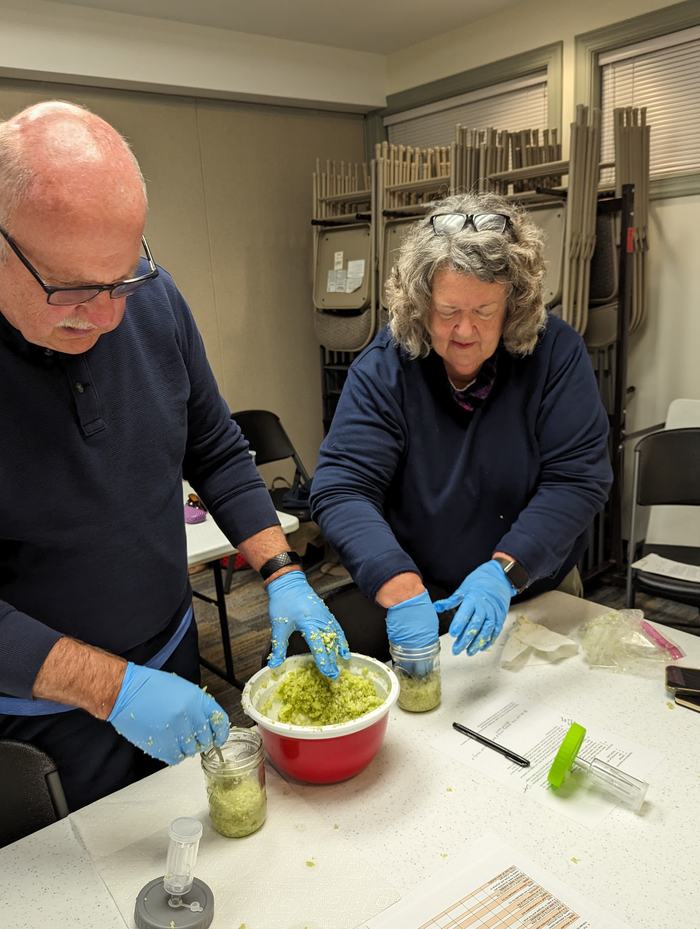
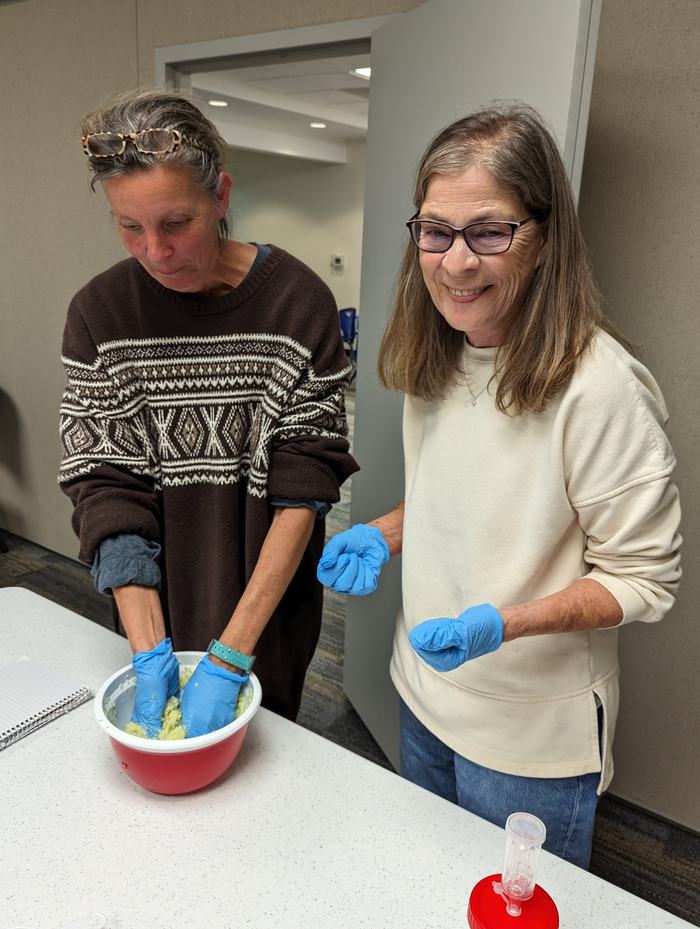
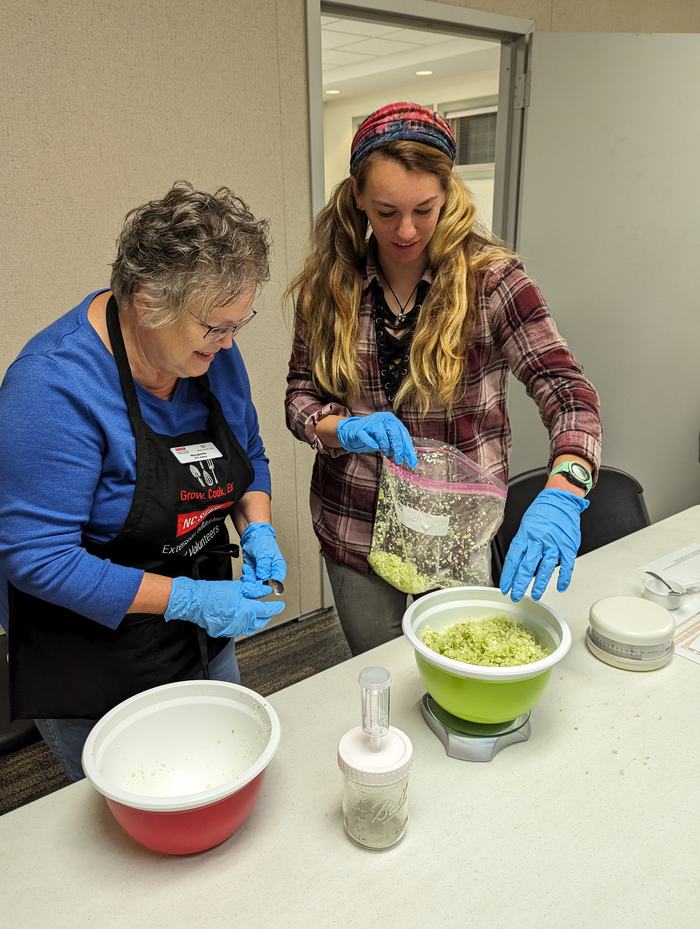
Recipes for sauerkraut, kimchi, yogurt, dill pickles and kombucha that have been tested by Cooperative Extension across the nation can be found at:
Read more on Fermentation and Pickling
Ashley is planning additional food preservation classes in 2024. These will include
fermentation, pressure processing and dehydration. Contact our office in Bolivia to get on the mailing list to be advised of these offerings.
Syracuse is a Family and Consumer Science team member and can be reached at N.C. Cooperative Extension, Brunswick County Center 910-253-2610 or by email at
Cheryle_Syracuse@ncsu.edu
Join our mailing list!
Enter your email address to receive updates.
Written By

Contributors