OK…I admit I’ve seen coconut water in the stores…but I’ve pretty much ignored it
thinking it’s another one of those marketing trends to get me to buy something I didn’t want or need. Then I listened to a podcast about it…and it got me thinking a little differently. Have you tried coconut water? Here’s the scoop.
Coconut Products
(Updated: April 8, 2025, 5:05 a.m.)
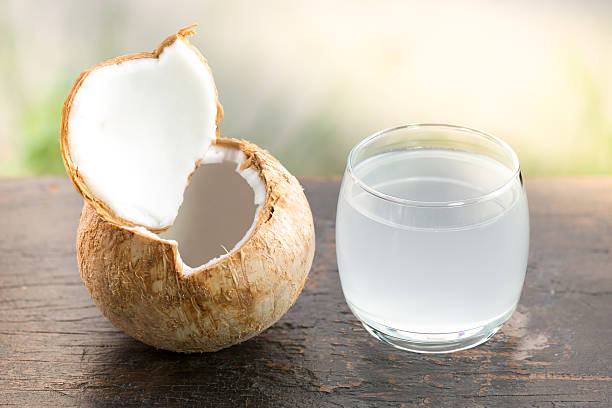
What is coconut water? It is the clear liquid found inside green (unripe) coconuts. As a coconut grows and matures it uses this water as nutrients for the fruit. Yes, a coconut is considered a fruit.
The water has a slightly sweet flavor—not really a coconut taste—that is low in calories, fat-free and cholesterol-free. It has about 45-60 calories per 8-ounce serving.
Reading the label on coconut water you may make think it’s packed full of nutrition but not really. It does contain some minerals, specifically potassium, sodium, magnesium and phosphorous-- also known as electrolytes. It can help replace these nutrients if lost during work outs, mild illness or hot temperatures. But in reality, there is no scientific proof that coconut water is more hydrating than regular water
A couple of cautions: Read the labels. Brands differ. The amount of the minerals can
differ depending on the maturity of the coconut. Some may have also have added
sugars—so be cautions. If you’re on medications for blood pressure (both high or low) you may want to check the amounts of these nutrients on the labels and check with your doctor before drinking coconut water.
If you like the flavor and want something a little different you might want to try coconut water. But if you’re looking at it just for its electrolyte or nutrition boost…in most cases a healthy diet will give you these nutrients and regular water will work just as well for hydration. You’ll have to determine if it’s worth it---especially at the cost of coconut water per bottle.
All this talk about coconut water got me thinking about other coconut products and how they differ.
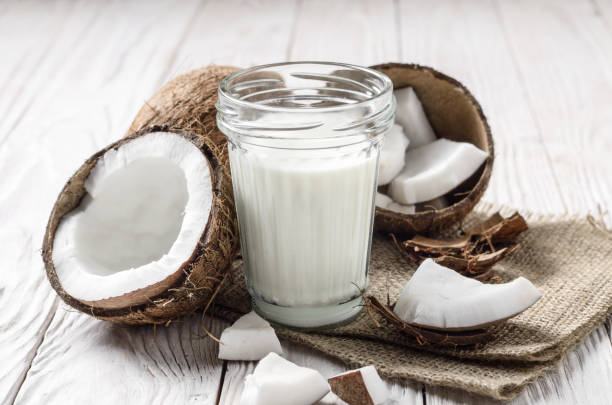
Coconut water is definitely different from coconut milk which combines the grated
meat of a ripe coconut with water to make an emulsion. It is mostly used for cooking especially Asian, Caribbean and African foods and sauces. Coconut milk can be high in fat, specifically saturated fat. Lower fat versions may be available.
If you’re looking for a dairy milk substitute there are also “coconut milk beverages”.
These differ from coconut water. They are usually thinner than coconut milk. These
coconut milk beverages have less fat and protein than diary milk and usually contains
the mineral potassium as well as fiber and iron. Some coconut milk beverages are
fortified with vitamin D and calcium.
Cream of coconut is another product coconut product that differs lightly from coconut water, coconut milk and coconut milk beverage. It is thick, sweetened and
processed—somewhat similar to sweetened condensed milk in a can.
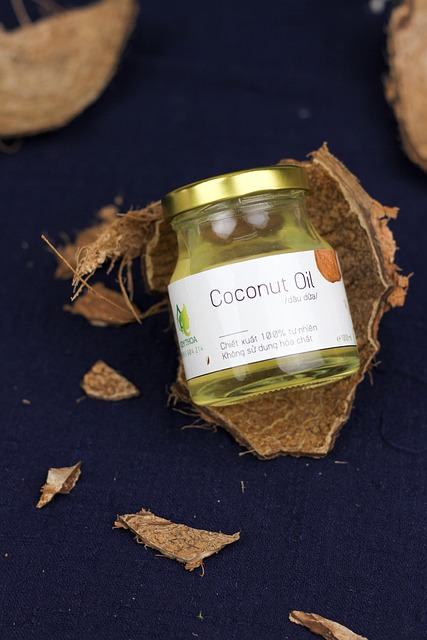
There is also coconut oil. This oil is extracted from the meat of the coconut. It contains mostly saturated fat. One tablespoon adds up to more than 11 grams of saturated fat--- which FYI is nearly the recommended daily limit of this type of fat. The American Heart Association recommends against using coconut oil because saturated fats can raise LDL or “bad cholesterol” levels.
Coconut oil is frequently used in the food industry. It is relatively inexpensive and can give foods a nice crisp texture. It also has a high smoking point. Hydrogenated and partially hydrogenated coconut oil are found in cereals, baked goods, biscuits and salty snacks. It can also be found in some non-food items like soaps, cosmetics and moisturizers.
What about allergies? If you’re allergic to nuts, should you worry about coconut? The
FDA considers coconut a tree nut, so coconut products are labeled with an allergen
warning. However, it is really a fruit. If you have a tree nut allergy, you may not
automatically be allergic to coconut.
Resources:
- American Heart Association: Why all the hubbub over coconuts
- Coconut Oil and Coconut Water
- Coconut Water: Is It What It's Cracked Up to Be?
- Truth or Trend podcast: Is coconut healthy?
Syracuse is a Family and Consumer Science team member and can be reached at N.C. Cooperative Extension, Brunswick County Center 910-253-2610 or by email at
clsyracu@ncsu.edu
Join our mailing list!
Enter your email address to receive updates.
Written By