Did you know that your backyard has the ability to support over 1,000 different species of insects at any given time?! Given that there may be upwards of 10 quintillion individual insects on the planet at one time, it should come as no surprise that insects have a remarkable ability to adapt to an amazing diversity of habitats, including our backyards. To celebrate the upcoming National Pollinator Week on June 21-25 read on to learn more about how you can protect pollinators.
Bringing Back the Pollinators
(Updated: July 2, 2021, 6:23 a.m.)
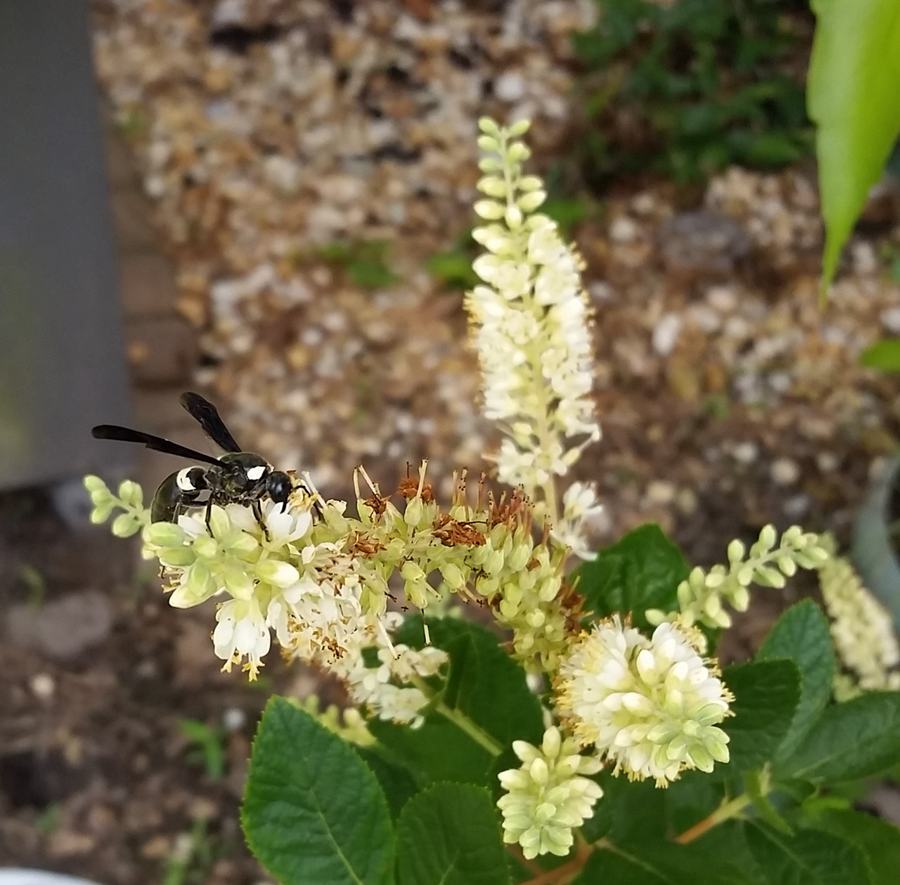
Why the Urgency?
Between 1950 and 1986 in the United States, nearly 69 million acres of natural habitat have been converted to urban/suburban areas, and since then has increased by about 12% yearly. Home and building development often leads to a loss of native vegetation and the conversion from native vegetation to high-input, intensively managed, monoculture landscapes, which ultimately reduces the abundance of beneficial insects. However, many gardeners are now taking a more ecologically-based approach to landscaping, featuring a greater diversity of native plants in their landscapes. And for good reason. Research has shown that yards that have greater plant species diversity have a higher diversity of beneficial insect populations. More than that, yards that are layered with overlapping herbaceous, shrub, mid-story trees, and canopy trees have even greater insect species diversity.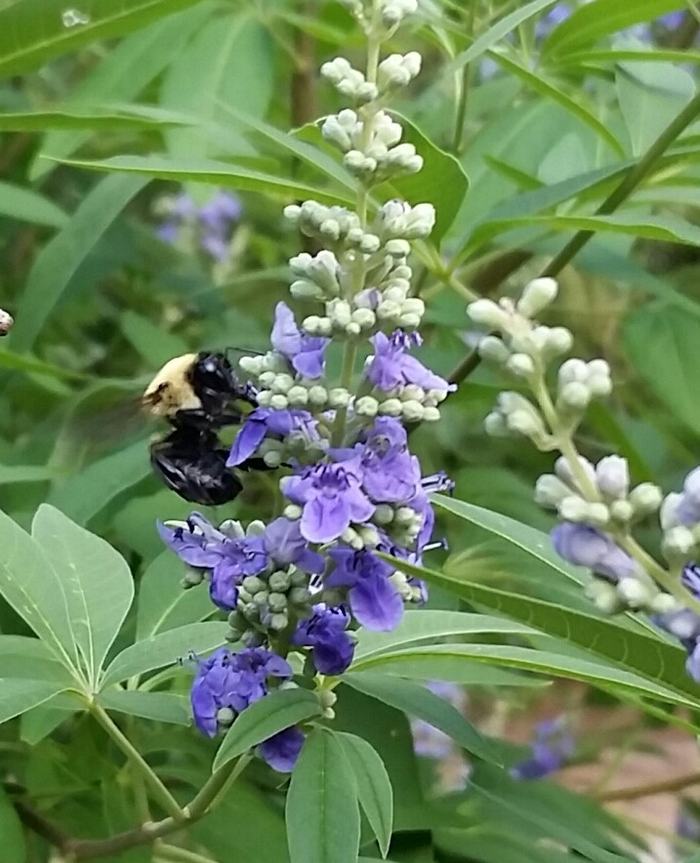
Attracting Pollinators to Your Yard
Some great plants for the garden include purple coneflower, many species of salvias, chaste tree, clover, basil, rosemary, thyme, beardtongue, bee balm, milkweeds, mountain mint, and goldenrod, to name just a few. Because these natives flower at different times of the year, you will ensure that beneficial insects remain active in your garden throughout the season. The diversity of pollinating insects is improved when there are 15 or more flowering plant species in a yard of which at least 3 are in bloom at the same time. Season-long food supply is most critical in the spring and through the fall; provide an abundance of spring-flowering plants since many hibernating bees need an immediate source of food upon emerging from dormancy. Bumblebees and other native bees also require large amounts of pollen and nectar to get them through the winter, where they live off stored food until they emerge in the spring. A pollinator garden does not have to look messy or “wild”. If your HOA or POA will allow it, reduce the amount of turfgrass in your yard in favor of more permanent, less-disturbed natural areas. A pollinator garden can be functional and still look well-maintained at the same time. If you are able, leave an area of your yard that you do not mow or plant a cover crop for foraging insects.Manage the Environment, Not the Problem
Most homeowners tend to have a reactive approach to gardening. That is, we do not intervene until there is a noticeable problem with our plants. This type of approach necessarily leads to the use of chemicals to control the problem, which is not bad per se; however, if we do not see immediate results after using a chemical, the tendency is to overuse that product which can have negative impacts for pollinators and the surrounding environment. This is especially true with broad-spectrum insecticides. For Integrated Pest Management (IPM) to be successful, you must first accept that insect and other damage from wildlife is a part of gardening in this region. To mitigate damage and plant stress, choose plants that are suited to our growing conditions. When you overwater, over-fertilize, or put a plant in the wrong place, plants become stressed, which may lead to pest infestation. Vigilant monitoring for pests is crucial in an effective IPM program as it gives you the ability to address pest issues before they cause serious damage to plants. A pollinator garden does not have to be an elaborately designed area. It can be something as simple as a small, reclaimed area where you cannot get turf to grow, or in several strategically placed containers. The point is to help protect an invaluable resource add and a little more interest to the garden. Your efforts will be generously rewarded.Learn More!
To learn more about pollinators and how to create pollinator habitat, visit the Extension Gardener Plant Toolbox, contact N.C. Cooperative Extension of Brunswick County office at 910-253-2610, or visit the Brunswick County Botanical Garden’s Pollinator Garden in Bolivia where you can see many interesting plant selections that support pollinators.Join our mailing list!
Enter your email address to receive updates.
Written By

More About