We frequently receive photos and phone calls about these “unusual” growths on trees.
What's This Growing on My Tree?!
(Updated: May 20, 2025, 5:05 a.m.)
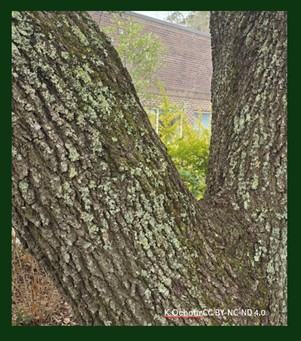
It turns out they’re not that unusual at all.
It’s Lichen, which is formed when algae and fungus or cyanobacteria partner together in a symbiotic (mutualistic) relationship to form a separate and distinct colony.
The fungus or bacteria component gives lichen its structure and access to light, while the algae provides food via photosynthesis.
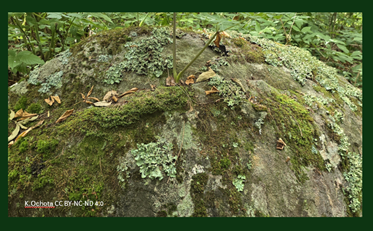
Lichen can be found in all habitats and climates all over the world. It is wind distributed, and attaches to various locations including trees, rocks, or soil. Lichens typically and easily attach in locations of slow or no growth. Lichens are an important food source for many animals, and provide nesting material for birds and squirrels.
You’re likely to see 3 different types of lichen,
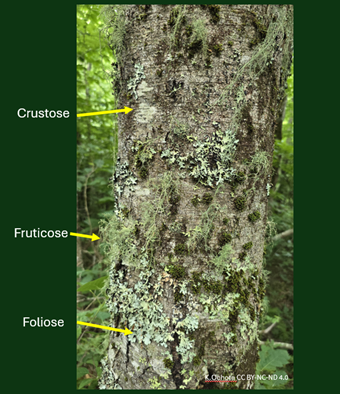
sometimes all on one tree:
Crustose (flat and crust-like)
Fruticose (bushy, looks like fruit trees);
Foliose (2 sided, leaf-like);
Some
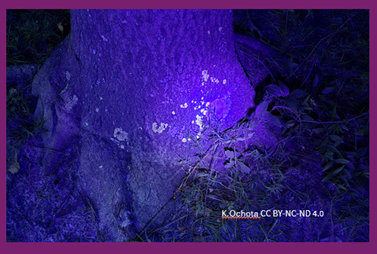
even fluoresce under UV-A flashlight (a.k.a. “blacklight”) at night!
And did you know that “Reindeer Moss” is not a moss at all? It’s a fruticose lichen!
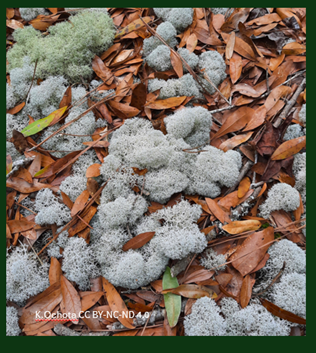
The important thing to remember is that lichen does not feed on, nor damage your shrubs and trees. In some cases, however, if the tree branch is already stressed due to primary environmental conditions (heat, not enough water, too much water, sunlight) or is diseased or dead due to other causes, lichens can more easily colonize on those branches. Pervasive colonies on a branch may warrant a closer look at the overall health of the plant.
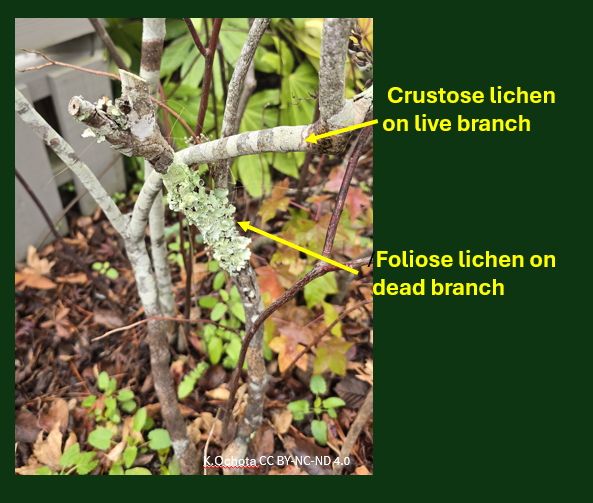
There are tens of thousands of species of these fascinating organisms; see how many different lichen you can find the next time you go for a walk, or even in your own backyard!
References and Resources:
Lichens and What They Mean for Your Trees | Camden Agriculture & Natural Resources Updates
US Forest Service: https://www.fs.usda.gov/wildflowers/beauty/lichens/index.shtml
Special thanks to Karin Heiman and Scott LaGreca for a fun and informative lichen class and hike in the Blue Ridge Mountains during the 2024 Native Plant Conference in Cullowhee, NC.
Join our mailing list!
Enter your email address to receive updates.
Written By

More About