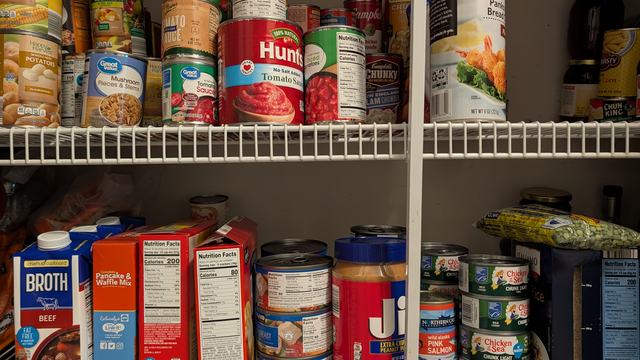
We’ve all been there: staring into a cabinet packed with canned vegetables, chicken noodle soup and three cans of tune….and still feel like there is absolutely nothing to eat.
A versatile pantry isn’t about having everything; it’s about having the right things. It’s the difference between a cluttered storage space and a culinary launchpad. When your pantry is properly stocked, you aren't just storing food—you’re storing time, money and peace of mind.
The folks at More In My Basket (MIMB) at NC State have shared some ideas on how to transform a kitchen from a chaotic collection of cans into a strategic plan for effortless meals. Here are some tips for what they call a strategic pantry.
Strategies for Your Next Shopping Trip
The transformation begins at the supermarket, where the goal is to shift from "buying for a meal" to "buying for a system." When navigating the aisles, prioritize buying in bulk and looking for whole grains.
While white rice varieties like Basmati or Jasmine are indispensable for their fragrance and speed but incorporating brown rice, bulgar or quinoa adds a nuttier profile and better nutritional density. Beyond the grain bowl, the versatile kitchen relies on a strategic pasta selection—ideally one long shape like spaghetti and one textured, short shape like penne to catch heavier sauces. You might even want to try a whole grain version.
The FIFO Method
The effectiveness of this system relies heavily on the discipline of the First In, First Out (FIFO) method. Even the most thoughtfully curated pantry can become a graveyard of expired goods if not managed properly. This method is really stressed with restaurants and food service operations --- it works in the home, too. Some folks like to mark the date purchased on the items so they can easily figure out how long it’s been in the cupboard.
FIFO is simple: whenever you return from the store, pull the older jars of peanut butter or boxes of pasta to the front and place the new purchases in the back. This ensures a constant rotation of stock, preventing that "buried treasure" effect where you find a can of soup from three years ago hiding in the dark corners. Although most shelf food will remain safe past their “best if used by” dates, it’s still best to cycle out any foods that you are not eating or have been there a while and have lost their quality. By practicing FIFO, you not only reduce food waste but also maintain a real-time mental inventory of what you actually have on hand.
Grouping by Use
A common mistake in home organization is arranging items by size or aesthetic appeal. Instead, the versatile pantry should be organized by "utility zones." This creates an intuitive flow that makes cooking feel less like a chore and more like a fluid process.
Consider establishing a baking zone (for flours, sugars and leavening agents), a quick-fix zone (for jarred marinara, tuna and ten-minute noodles) and a flavor zone (for oil and vinegars). Customize these zones to your cooking habits so this setup works for you. Grouping by function rather than form allows you to see exactly what you’re missing for a specific task.
Preparing for Emergencies
During winter storms or hurricane season, it is best to be prepared in advance. Consider purchasing a few extra shelf stable items that can be easily turned into meals if needed in an emergency. This is a good time of year to begin thinking of “eating down” the freezer. Spend some time inventorying what’s in the freezer and planning meals around that food---that way you’ll reduce the risk of loss if the power goes out.
Look into SNAP Benefits
One last tip from the MIMB team encourages folks to use SNAP benefits to help purchase some of these items and keep the strategic pantry on target. SNAP stands for the Supplemental Nutrition Assistance Program and was formerly known as “food stamps.” They can help determine if you are eligible and offer free SNAP application assistance in English, Spanish and Portuguese Monday through Friday, 8 am until 5 pm. Contact the More In My Basket team toll free at 1-855-240-1451 or visit their website at morefood.org.
Building a versatile pantry is a marathon rather than a sprint. You do not need to overhaul your entire kitchen in a single weekend. Try these tips and see how a little bit of work can make your life easier when it comes to meal planning, shopping and cooking.
Resources:
Claiborne, Jenné. “The Healthy Eater’s Guide to Pantry Staples.” Vegetarian Times, October 30, 2020.
Stover, Shannon. “Implementing the ‘FIFO’ System.” Safe Food & Water, January 15, 2026.
Chefsadev. “Give Your Pantry a Chef Approved Makeover!” CHEF, August 19, 2021.
Syracuse is a Family and Consumer Science team member and can be reached at NC Cooperative Extension, Brunswick County Center 910-253-2610 or by email at clsyracu@ncsu.edu