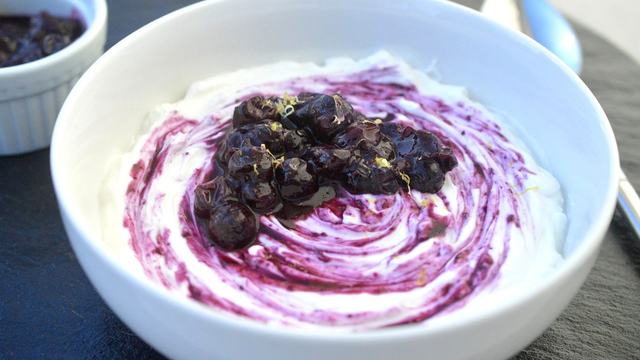
There is no denying that yogurt is popular. While we don’t usually think about yogurt in terms of pounds, it is estimated that 4.9 billion pounds of yogurt are eaten each year in the United States. That’s over 26 of those little cups per person a year. The smooth, creamy slightly tart taste of homemade yogurt is produced by bacterial fermentation of milk. Although most yogurt in the U.S. is made from cow’s milk, any type of milk can be used. In other countries, yogurt is made from the milk of water buffalo, yak, goat, horses and sheep.
There is also no denying that yogurt is good for you. According to the National Dairy Council, yogurt is a nutrient-rich food that can fit into a healthy diet in many ways. It is a convenient source of high-quality protein and a great source of calcium and phosphorus. You can also count on it for B vitamins—riboflavin and pantothenic acid as well as B12. These nutrients can vary by brand and the type of yogurt, so check the Nutrition Facts Labels for specifics.
The added bonus beyond providing these essential vitamins and minerals, some yogurts contain probiotics. These are beneficial bacteria that support digestive health. To be legally called yogurt in the U.S, it must be made with two types of bacteria (Lactobacillus bulgaricus and Streptococcus thermophilus). These two specific bacteria are essential for the fermentation of milk into yogurt.
Yogurt bacteria can help keep your digestive tract healthy; however, these bacteria must be live and active in the yogurt to provide these benefits. Due to differing production methods, including heat treatment after fermentation, these beneficial bacteria can be killed. Again, another need to read labels, not all yogurts contain live bacteria. It’s also important to note that not all bacteria present in yogurt is considered probiotic and some cannot survive digestion.
If you like yogurt and eat it often, you may enjoy making it at home. This gives you greater control over the ingredients and fermentation. Depending upon the type of milk used, you may even save some money. For the cost of a half-gallon of milk, you can make two quarts of yogurt. To make yogurt at home, an active (living) yogurt culture is needed as a "starter." Commercial, unflavored cultured yogurt with live bacteria is usually used as this starter. Yogurt starter cultures can also be purchased at health food stores, but are quite expensive compared to commercial cultured yogurt. Once you start making yogurt at home, save some of your homemade yogurt to "start" your next batch.
You can learn to make your own yogurt at home. N.C. Cooperative Extension in Brunswick County is offering a class on yogurt fermentation as part of the 2026 Food Preservation Class Series on Thursday, October 22 from 5:30 to 7:30 p.m. at the Brunswick County Extension Center at the Government Center in Bolivia. Topics of discussion will include the process of making yogurt at home, including cultures, temperature control, milk selection, straining and storage. The registration fee is $10 per person.