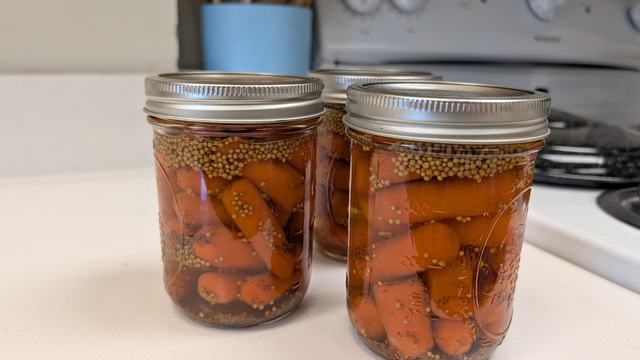
Homemade pickling is experiencing a surge in popularity and food enthusiasts are turning to pickling at home using locally sourced ingredients. While cucumbers are the most popular pickled product, other vegetables and fruits can also be successfully be pickled at home.
Pickling is one of the oldest known methods of preserving foods. Perhaps you’ve never thought about how pickles are made, but are three basic types of pickles that can be safely made by the home preserver:
Brined or fermented pickles go through a curing process in a salt and water brine for one or more weeks in a crock or large container. After the curing time these pickles are placed in jars and boiling water bath processed.
Fresh-pack or quick-process pickles are brined overnight in the refrigerator and then placed in jars and covered with a boiling hot spiced vinegar and then boiling water bath processed. They usually have better flavor if allowed to set a few weeks after they are sealed in the jars before eaten.
There are also refrigerator pickles that are not processed. These pickles must be kept at refrigerator temperatures and will keep for up to one month.
Here are some basic recommendations for making quality pickles at home:
Use high-quality ingredients. Unwaxed pickling cucumbers are the best. For best quality, if possible, pickle fruits or vegetables within 24 hours of harvest. Avoid over-ripe or damaged vegetables.
Follow tested recipes precisely. Do not alter recipes. The only changes that can be made to a recipe are altering the dried spices slightly.
Do not add additional ingredients. Adding garlic, peppers or onions could change the pH and could make the product unsafe.
Use vinegar that is 5% acetic acid. Do not dilute the vinegar unless the recipe specifies. Do not use homemade vinegar.
When cleaning and preparing cucumbers, remove all blossoms and cut a small slice from the blossom end of the vegetable and discard. The blossom ends contain enzymes that can cause softening and result in an unacceptable product.
Use canning or pickling salt. This is pure granulated salt that does not contain anti-caking agents or iodine. Do not alter the salt concentration.
Firming agents—a number of firming agents such as alum and grape leaves have been used in recipes over the years but are no longer recommended. If you use freshly picked cucumbers, follow an up-to-date recipe and heat process the pickles for the correct length of time, pickles will turn out crisp and shouldn’t need a firming agent. If you feel you must use a firming agent, there is a food-grade calcium chloride product called “pickle crisp” that can be used to create a firmer pickle. Follow the instruction on the label carefully. If you add too much, your pickle will be too crunchy.
Use a tested up-to-date research-based recipe to be safe. Pickles may spoil if untested recipes are used. Recommended sources are from Cooperative Extension, USDA and the National Center for Home Food Preservation. All have tested recipes available on-line. A highly recommended reference is a book called “So Easy to Preserve” from The University of Georgia.
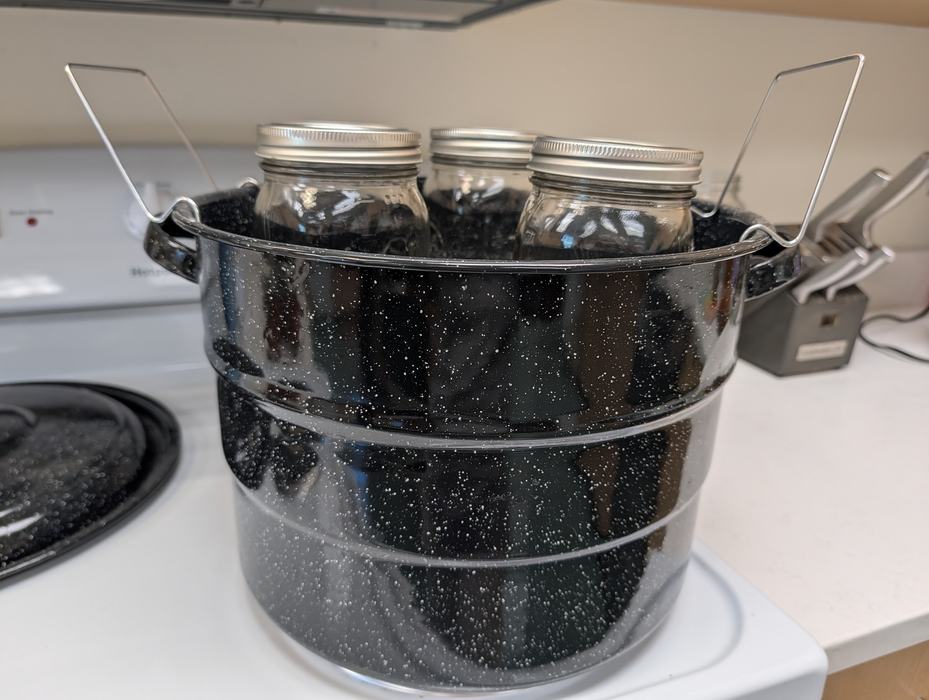
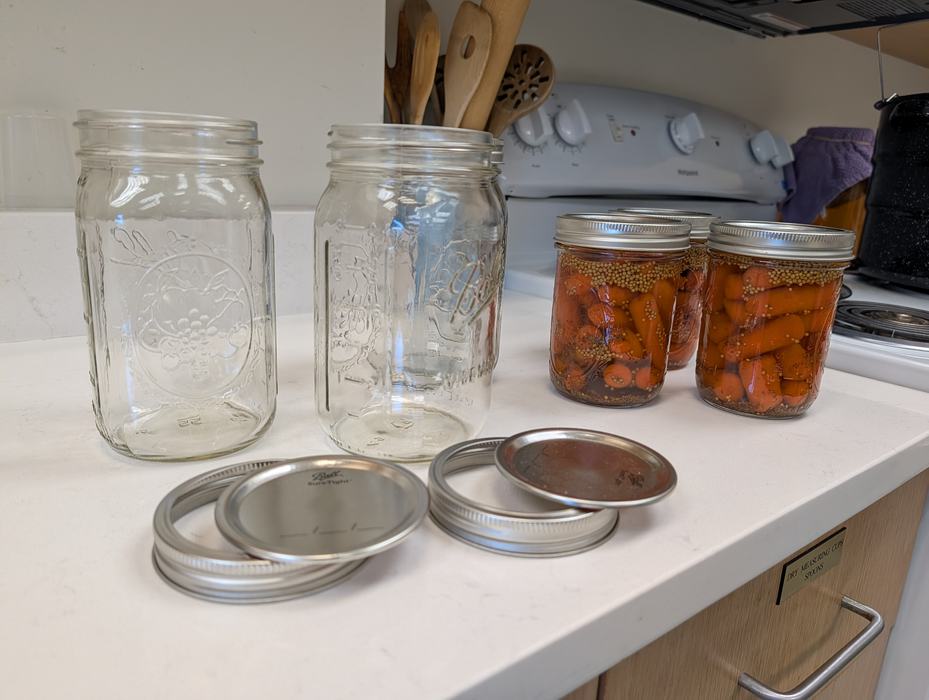
If you’d like to learn more about pickling, you may want to attend the upcoming Water Bath Pickling class at NC Cooperative Extension here in Brunswick County. The class will focus on the basics of water bath canning as it applies to pickle making. Participants will get into the kitchen and get hands-on experience making quick process pickles.
This pickling class will be Thursday September 3 from 5:30 p.m. till 7:30 p.m. in the demonstration kitchen at the NC Cooperative Extension Service, Brunswick County Center at the Government Center in Bolivia. The registration fee is $10 per person. Registrations can be made on-line through Eventbrite. Visit the website (brunswick.ces.ncsu.edu) for details or call the office for assistance.
Avery Ashley, the Family and Consumer Science Extension Agent here in Brunswick County will be the instructor for this class. He has a passion for food preservation and enjoys sharing this with others. He is offering a series of food preservation classes this fall. Check the website for details about other classes including dehydration, kombucha, sauerkraut and yogurt. Spaces are limited and the seats are filling quickly.
Syracuse is a Family and Consumer Science team member and can be reached at NC Cooperative Extension, Brunswick County Center 910-253-2610 or by email atCheryle_Syracuse@ncsu.edu