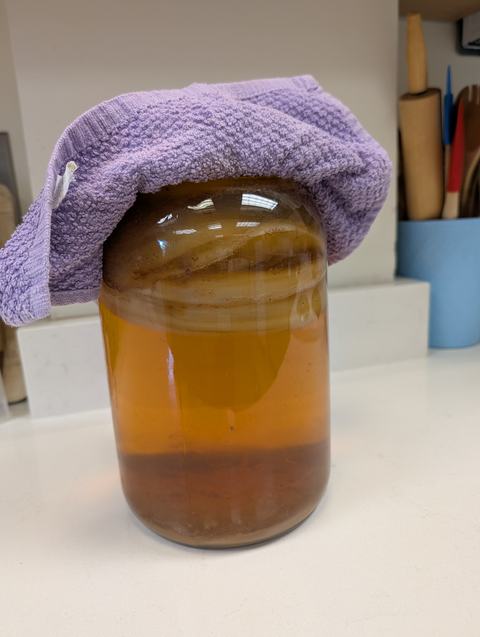
Your first question might be what is kombucha?
You’ve probably seen kombucha in the beverage section of convenient or grocery stores and wondered exactly what it was. Kombucha is a slightly effervescent beverage---maybe a little like cider---that is made from fermented sweet tea. It is essentially vinegar made from sweet tea. While its popularity has exploded in the past few years, kombucha dates back more than 2000 years.
This fermented drink starts with green or black tea. It is sweetened with white sugar, agave or honey. Then a healthy bacteria or starter culture is added to help the fermentation. This starter culture is called a SCOBY (Symbiotic Colony of Bacteria and Yeast).
Typically, this mixture sits and ferments from a week to a month. When the fermentation begins, the sugar content is high and the SCOBY uses the sugar to form ethanol. This is then metabolized by the bacteria. It becomes more acidic as it ferments. The end result is the lightly carbonated beverage with a sweet, slightly vinegary tangy flavor called kombucha.
The fermenting process makes a bit of alcohol in the kombucha. The alcohol level is typically below 0.5% allowing it to be sold as a nonalcoholic beverage. Some homemade versions may have a higher amount of alcohol.
Unflavored kombucha has about 30 calories per eight-ounces making it a low-calorie alternative to sweetened beverages. Some commercial kombuchas have added flavors or juices which may change the calorie count.
While kombucha is touted to have many health benefits, a Colorado State University Extension publication says there is limited scientific research available to help answer questions about the benefits and/or the safety of drinking kombucha.
There are small amounts of research that show that kombucha may have some probiotic benefits. The probiotics in kombucha are similar to those found in other fermented foods such as sauerkraut, pickles, kimchi, kefir and yogurt. These can assist in helping gut microbiome---healthy gut bacteria.
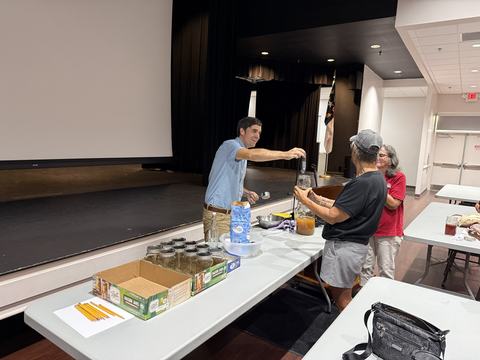
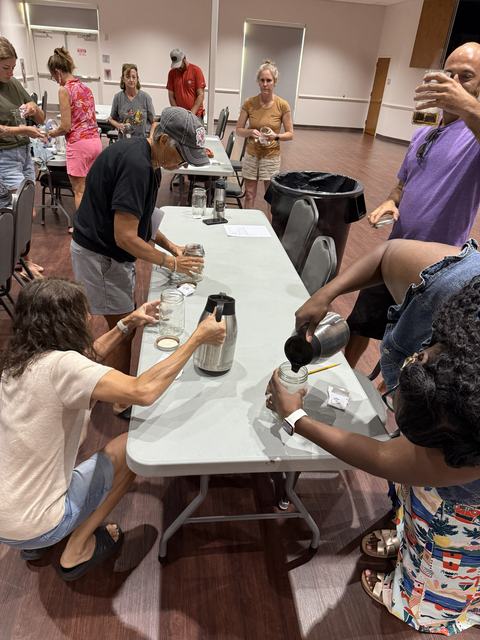
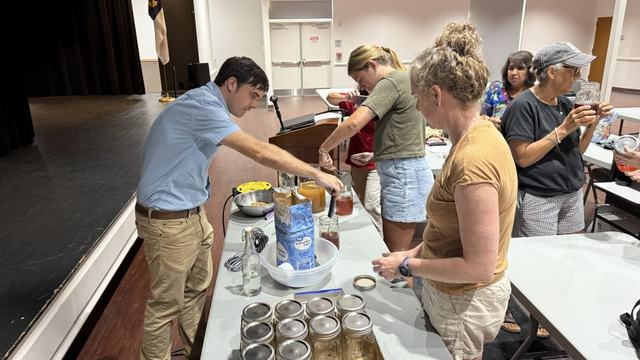
Intrigued? Want to learn more and make your own? NC Cooperative Extension in Brunswick County is offering a class on Kombucha as part of the 2026 Food Preservation Class Series. This session will be on Thursday October 8 from 5:30 to 7:30 p.m. at the Brunswick County Extension Center at the Government Center in Bolivia. It will include a hands-on kombucha making activity and all participants will leave with their own kombucha starter culture.
Avery Ashley, Family and Consumer Science Extension Agent with NC Cooperative Extension in Brunswick County will be the instructor for this class. Ashley is a Safe Plates Distinguished Educator in Food Preservation with NC Cooperative Extension. The registration fee is $10. Pre-registration is required. To register on-line through Eventbrite, visit the Events page at NC Cooperative Extension Brunswick County’s website (brunswick.ces.ncsu.edu). For more information or help with registering, contact Ashley at 910 253 2610 or email him at arashley@ncsu.edu.