This past month I wrote several columns about food waste and ways you can help
reduce the amount of food that’s wasted in your home. As well as helping your pocket book this can help the whole planet. It’s not just the food that’s being thrown away that’s lost but it’s the land, the water, the labor, the energy and everything else that was put into the growing, processing, transporting, preparing and storing of that food that’s being wasted.
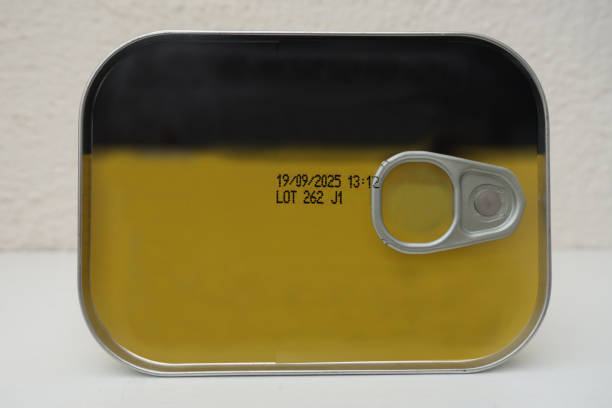
Those dates on food labels and the confusion over what they mean can lead to a lot of food waste. It’s estimated that 20% of food waste is cause by people throwing food away before they have to. At one point or another, we have all debated eating or throwing away a food product after the date on its label has passed.
Date labeling was a topic of a Homegrown video developed by NC State and NC
Cooperative Extension. Dr. Ben Chapman, Food Safety Specialist and Department Chair was the expert on this video. He helped sort out the confusion.
Chapman says that oftentimes you will see the phrases “Best if used by,” “Sell by” and “Use by” among others on packages. It can be confusing but these dates refer to product quality and flavor and are not expiration dates. You don’t need to immediately throw the food away once it’s past that date. He suggests that the next time you notice a food product whose label date has passed, check for signs of spoilage like color, consistency, or texture before deciding to consume or throw away. Most dates on food are for quality not safety and should still be safe and wholesome if handled properly until the time spoilage is evident. This is another small step you can take to reduce food waste at home!
These dates have been established by the food manufacturers. They don’t mean that you’ll get sick if you eat it after that date but that the food may not be of it’s best quality after that date. After all, the manufacturer wants you to eat the food when it is at its best quality. Quite often you see these as “best if consumed by” dates.