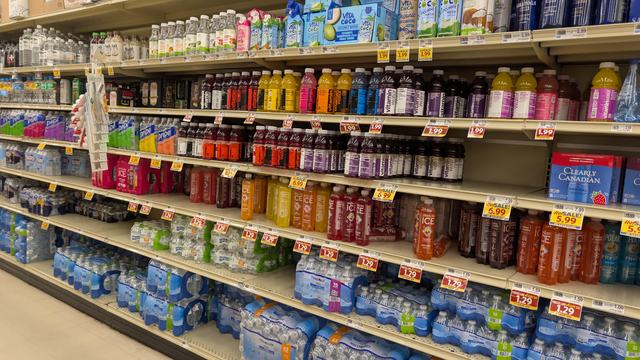
Good hydration is essential in this summer heat. This simply means providing your body with the fluid it needs to keep itself healthy. Water regulates lots of different body processes including temperature control, cushioning and protecting organs, digestion and waste and heart rate. We lose water from our body everyday by breathing, sweating and in urine.
If you’re in a desert on lost at sea without water after a day or two there are obvious signs of dehydration: extreme thirst, confusion, heat stroke, loss of consciousness and ultimately death. But the symptoms don’t need to be so dramatic and you can become dehydrated during daily activities, working or playing and exercise, especially when it is hot outside. Key signs of dehydration are dizziness, rapid breathing or rapid pulse, headache and cramping. But don’t wait for these signs. This is definitely one of those times that you should be proactive. Don’t wait until you’re thirsty to drink water. By the time you feel dehydrated you are already behind in replenishing your fluids.
Drinking water is one of the best ways to hydrate. But, even with good intentions, not everyone drinks enough water. How much is enough? One common myth about hydration is that you have to drink eight classes of water every day. This isn’t really completely true. The amount of water you should drink depends upon your age, activity level, body size and the temperature. Generally healthy adult women need about 11.5 cups of water and men need about 15.5 cups of water each day. This may sound like a lot, but all of this water doesn’t have to come from water that you drink. This is about 9 cups liquid plus 2.5 cups from food and 13 cups liquid plus 2.5 cups from food for women and men respectively.
In general, we get about 20% of our daily water through the foods we eat. One way to quench your thirst and beat the heat is by eating high-water content foods. Some water-rich fruits are strawberries, watermelon, oranges, pineapple, pears and blueberries. Veggies that can help with hydration include lettuce, cucumbers, cabbage, celery, tomatoes, zucchini and bell peppers. Not only do these foods help you stay hydrated, they provide needed nutrients at the same time.
While working or exercising in the heat, drink two cups of water before the activity, 4-6 ounces every 15-20 minutes during activity and 16 ounces after an hour. In an hour’s workout you could lose a quart of water (4 cups) to sweat. Drinking sports drinks or beverages with added electrolytes are not usually necessary especially If you eat regular meals and salt-containing snacks this will usually be enough to replace electrolytes lost during sweating.
Additionally, it is wise to avoid or limit alcohol in extreme heat. Alcohol is a diuretic, meaning it increases urine production, leading to fluid loss and dehydration. Alcohol also causes vasodilation (the widening of blood vessels), which the body naturally does in hot temperatures to help cool the body down. However, too much vasodilation can cause blood pressure to drop, resulting in dizziness. Alcohol can also impair the body’s ability to regulate temperature. If you are going to drink, be sure to do so in moderation and in a cool setting, while also drinking water.
Drinking plain water is the #1 best way to replenish fluids and it contains zero calories. Adding a lemon or lime wedge to your water may improve the taste of your water and may help you drink more than usual. Make water your preferred your beverage throughout the day and make other beverages (soda, fruit drinks, etc.) something you have on occasion. Get creative with fruit or vegetable-infused water to add flavor without the added sugar.
The bottom line – drink water consistently throughout the day. Keeping a reusable water bottle with you at all times can help.
Syracuse is a Family and Consumer Science team member and can be reached at NC Cooperative Extension, Brunswick County Center 910-253-2610 or by email at clsyracu@ncsu.edu