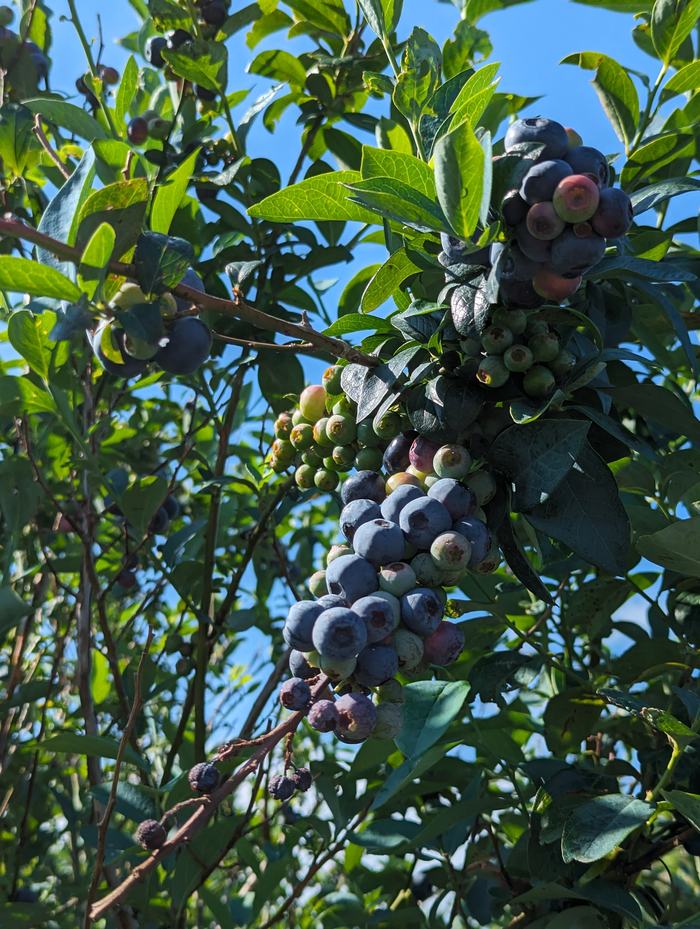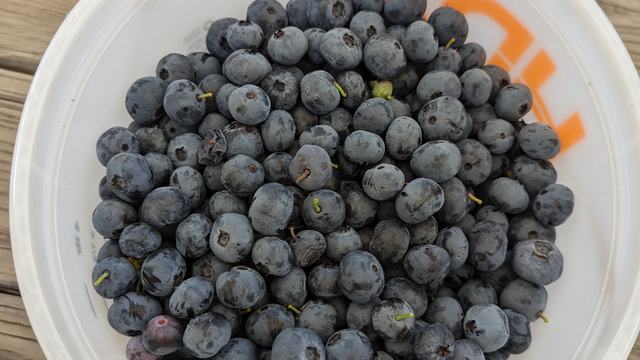
Blueberries are in season here in NC from mid-May through July. Grab some today because they are bursting with both flavor and health benefits. One cup of blueberries contains less than one hundred calories. They provide essential nutrients including vitamin C, vitamin K, and manganese. Blueberries are fat free and sodium free and this one cup contains 3.6 grams of dietary fiber.
Another thing that make blueberries special is their color. When you think about it, there really aren’t that many blue foods. Not only is this great for adding a unique look to your meals, snacks and July 4 th cakes, it’s good for your health. There are phytonutrients called polyphenols in blueberries. This group includes anthocyanins, which gives blueberries this signature blue color. These antioxidants are natural compounds that may help prevent a number of chronic diseases such as cardiovascular disease and certain forms of cancer. There is also a growing body of scientific evidence that blueberries are good for brain health and can help lower the risk of age-related cognitive impairment, dementia and Alzheimer’s disease.
When shopping for or picking blueberries, look for plump, dry, firm berries that have smooth skins and a dusty or silvery sheen. Size doesn’t matter—but color does. Reddish berries aren’t ripe. According to the Foundation for Fresh Produce (fruitsandvegetables.org) blueberries are best when stored cold. The refrigerator will slow down the ripening process therefore prolonging their freshness. The dusty outer coating on blueberries is the fruit’s natural preservative and is called ‘bloom.’ Wait to wash off this bloom until right before eating the fruit. Rinsing before storing in the fridge will promote the growth of mold and spoil them quickly. Use within 10-14 days.
Blueberries can be easily frozen. There are a couple of ways you can do this. Both the National Center for Home Food Preservation and the NC Blueberry Council say don’t wash blueberries before freezing because it makes the skin tough and rubbery. But they can also be washed before freezing. How you want to use these berries in the long run should determine the way you freeze them. To freeze place dry blueberries in a single layer on a sheet pan and freeze until hard. Then remove from the freezer, place in freezer-proof, re-sealable plastic bags, and return to the freezer. Be sure to mark them if they were washed or not. If you’re going to be used directly from the freezer in items like pancakes, waffles and muffins, they can be washed and frozen and then mixed into these batters at the last minute without defrosting. This helps to keep them from “bleeding” into the batter. If you’re freezing chopped or pureed blueberries they should be washed first.
In a recent class about making homemade salsa, one of our Extension Master Food Volunteers, Jane Kulesza, shared ideas about fruit salsas. These “less traditional” salsas are great alternatives to tomato-based salsas. Fruit salsas can be served as a dip with chips or as a topping for grilled meat for fish. She shared that her husband (who loves fruit) has a favorite recipe for blueberry salsa. Of course, everyone wanted to try. So just in time for blueberry season, here’s Gus Grosch’s fruit salsa recipe. One quick tip: even though this a fruit salsa, it has a “kick” to it because of the jalapeno pepper. Due to the variability in jalapeno peppers, both in size and heat, take the “to taste” advice seriously. They like to use this salsa on soft shrimp or chicken tacos.
Gus’s Blueberry Salsa
2 cups blueberries
½ medium red onion, small dice
1 jalapeno pepper, seeded and minced (more or less to taste)
1 red bell pepper, seeded and diced
3 tablespoons fresh cilantro, chopped
Juice of one lime (1-2 tablespoons)
1 teaspoon kosher salt
Place 1 ½ cups of the blueberries in a blender or food processor. Process lightly on chop. Don’t over blend, you want chopped, not pureed blueberries. Combine the other ingredients in a bowl including the remaining ½ cup of whole blueberries. Stir in the chopped blueberries. Refrigerate for at least an hour before serving.