I was recently talking with a friend about food and cooking. She’s now a family of one
person and a dog. She says it’s hard to cook for just one although she does frequently share with the dog. All of her recipes are for larger families and she doesn’t like leftovers. So, she finds herself eating out frequently and doing what she calls “grab and go” from the grocery store. She also shared that sometimes she doesn’t worry about meals and just snacks on something small or doesn’t eat at all. She admits that this may not be the healthiest or least expensive way to eat.
My friend isn’t alone with this problem. The United States has over 81 million one or
two person households. They all have one thing in common. They need to eat.
Sometimes it may seem like it’s not worth the trouble to shop, cook and clean up for
yourself. Although finding the motivation to cook for yourself can sometimes be
difficult, it can be well worth the effort. We know that the more people cook at home
the healthier their diet and the fewer calories they consume.
Cooking for one doesn’t have to be a hassle or a waste of both time and food Here are some tips on how to make it more manageable:
- Invest in a new cookbook with smaller recipes---or take the time to browse the
internet for recipes for one or two that look good to you. Try something new.
- Stock your pantry– keep items on hand that allow you to use only what you
need, such as frozen vegetables, rice, pasta, dried beans and lentils. You can also
freeze individual servings of items such as chicken breast, and then thaw on an
as-needed basis. This will help avoid the “there’s nothing in the house to eat”
problem.
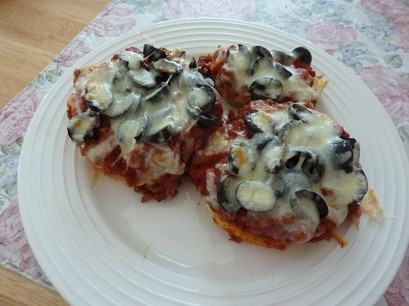
- Equip your kitchen – If you have the space, invest in small appliances like a
microwave, air frier and a toaster oven. These can be used to make quick and
easy single-serving meals, such as English muffin pizzas.
- Invite a friend over for a two-person potluck. Send them home with any
leftovers.
You may have some old favorite recipes that just make too much. You don’t have to
pitch them out. Here are some tips from dietitian Julie Garden-Robinson from North
Dakota State University Extension to help you reduce your recipes:
- Choose recipes that are easy to divide mathematically. In recipes calling for three
eggs, use two eggs and remove 2 to 4 tablespoons of liquid (if present) from the
recipe.
- If a recipe calls for a can of beans or soup and you would like to divide the recipe
in half, use what you need and either refrigerate or freeze the remaining food.
Label the container with the contents and date.
- Add seasonings gradually. Sometimes you may need to add more (or less) of the
spice to reach the desired flavor.
- Check for doneness of halved recipes five to 10 minutes sooner than the original
recipe.
- Keep notes about what works — and what doesn’t!
Garden-Robinson has an online fact sheet called Cooking for One or Two that can help you with these calculations. Several of the online recipe sites also provide tips for small families and some even adjust their recipes to small yields.
Go ahead and cook big. Making family-sized recipes can provide you with leftovers for future meals. Freeze the remaining food in one person meal-sized containers. Be sure to label the containers with the contents and date to avoid “surprise meals” later!
Learn to use the defrost setting on your microwave to turn these into quick meals.
What if you’re like my friend and don’t like leftovers? Consider them “planned-overs”.
Use the “cook once and eat twice” method. When cooking, plan to use the ingredients
in them in completely different recipes. For example, if you cook chicken, vegetables
and rice one evening for dinner, cook twice the amount of chicken and use it the next
day in a wrap for lunch or on a salad or in a sandwich. This not only cuts down on the
times you need to cook.
Changing how you plan or cook meals isn’t easy. It is going to take some time and
experimenting to “rethink” what you’ve done before. On the positive side, you only
have to worry about what you like to eat.
Resources
Syracuse is a Family and Consumer Science team member and can be reached at N.C. Cooperative Extension, Brunswick County Center 910-253-2610 or by email at
clsyracu@ncsu.edu