North Carolina Sea Grant
I was recently preparing for a class on summer food safety and I had some questions. I reached out to members of North Carolina Sea Grant for an update and a few “talking points” related to shrimp. The Sea Grant team is part of N.C. Cooperative Extension and they are dedicated to preserving the integrity of our coast and its many resources.Barry Nash, North Carolina Sea Grant’s Seafood Technology and Marketing Specialist from the office in Morehead City was quick to respond and provided me with research-based facts and information.
Deveining Shrimp?
My first question was about the need to devein shrimp before eating. Is this a food safety concern? Nash’s response: “The dark line that runs along the back of the shrimp just below the surface is the digestive tract of the shrimp and it is sometimes called a vein.” Knowing what it really is, may cause some people not to want to eat it. But according to Nash and the NC Food Code, “cooking shrimp to a minimum internal temperature of 145°F for a minimum of 15 seconds will eliminate any harmful microorganisms in the digestive tract of shrimp.” You might want to take it out just because it looks better, sometimes it's prominent and at other times it's hardly noticeable.
To Freeze Shrimp
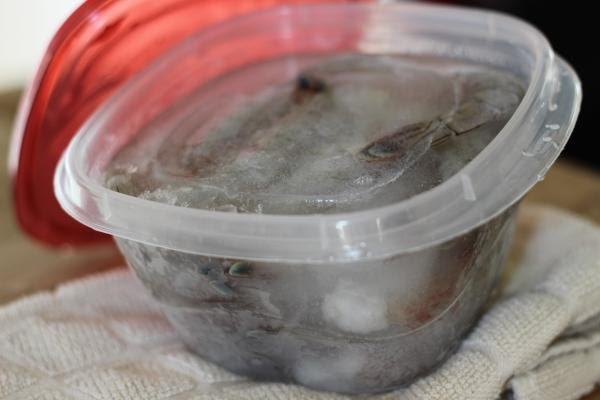
I also wanted to recommend the best method for freezing our local fresh shrimp. Nash directed me to an article he wrote earlier this year for the Sea Grant’s Mariner’s Menu on How to Freeze Your Fresh Seafood. The article talks about freezing all fresh North Carolina Seafood including fin fish, shellfish, and crabmeat, not just shrimp.