Being outside seems to be the place to be these days. The weather is warmer and everyone is enjoying fresh air. We just got a new grill, so we’re beginning to think about cooking out more often, too.
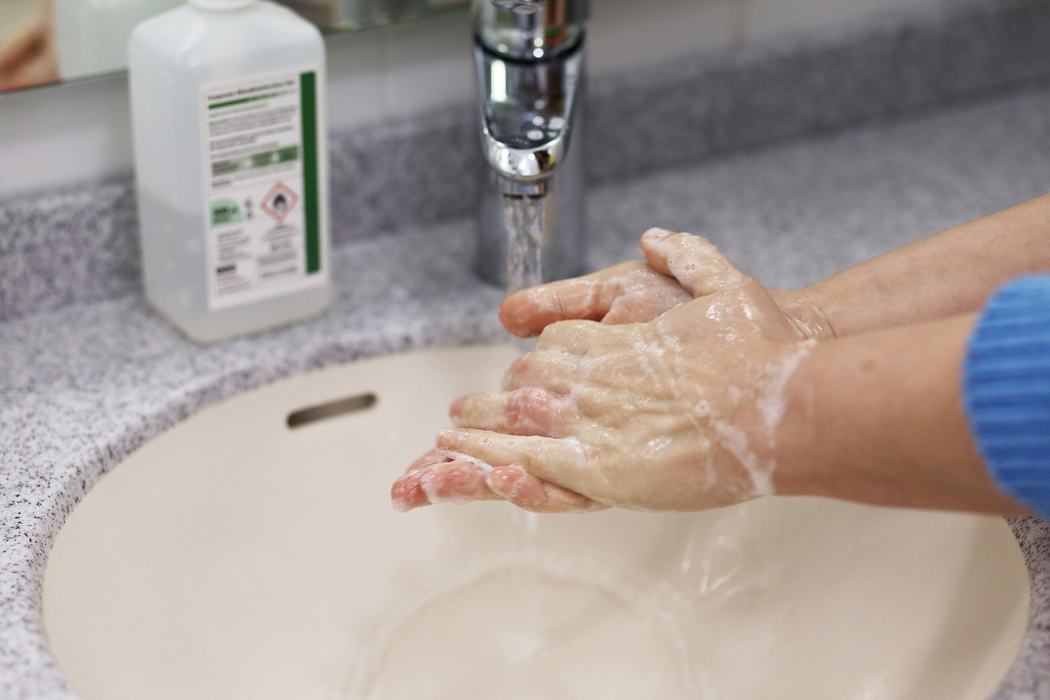
A recent post in the Eat Smart, Move More Weigh Less (ESMMWL) blog by Annalise Hafner suggested it is time to brush up on safe food preparation and cooking methods to avoid foodborne illness so that we can enjoy cookouts with peace of mind. Before you fire up your grill, Hafner offers some important food safety practices to keep in mind!
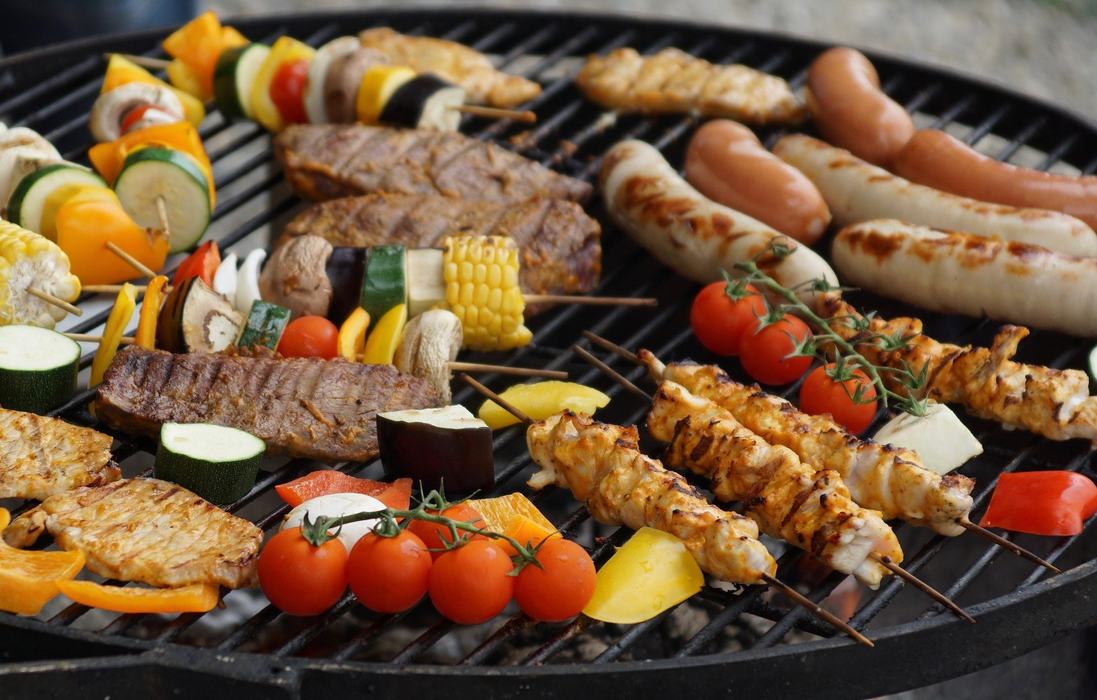
Grilled chicken and fish are delicious and your healthy vegetables can be grilled right alongside them! There is no need to dirty extra dishes on the stove or oven. Just throw everything on the grill! In an earlier post in the same blog, Kelly Nordby, RDN, LDN offered these tips on grilling vegetables.
Nordby writes that one of many great things about grilling vegetables is that they are done in a snap. Potatoes take about 12-15 minutes to cook on the grill, while less dense vegetables like broccoli, snap peas, summer squash, bell peppers, onions, mushrooms, and corn take just 5-7 minutes, depending on how tender you like them.
Marinades are key to delicious grilled vegetables, as they add moisture and flavor. Here’s a simple vegetable marinade. Additional marinade recipes can be found on the Eat Smart, Move More, Weigh Less blog.
Lemon Soy Ginger
Ingredients
- ½ cup olive oil
- ½ cup fresh lemon juice
- ½ cup low-sodium soy sauce
- 1 clove garlic, crushed
- 1-inch piece of ginger, peeled and minced
Directions
Steps for Marinating Vegetables:
- Chop vegetables to desired thickness and put in bowl.
- Pour marinade over vegetables and stir to coat evenly.
- Marinade vegetables for 30 minutes before grilling.
Try these four different ways to grill your vegetables:
- Use a grill basket. Line the basket with aluminum foil to prevent drippings from the marinade. If you do not have a grill basket, fold a 24-inch long piece of heavy-duty foil in half and fold up and crimp the edges to create a lip and prevent spilling.
- Make kabobs. Cut the vegetables into thick, chunky pieces so that they stay on the skewer. Smaller vegetables like cherry tomatoes work well on kabobs. Pineapples also work well on skewers and are delicious on the grill. When grilling both meat and vegetables at the same time, make separate skewers for each, as the vegetables do not take as long to cook and will need to come off first.
- Wrap in a foil packet. Use a 24-inch long piece of foil and fold in half. Open the foil and on one-half arrange thinly sliced vegetables in a single layer, slightly overlapping. Once you have assembled the vegetables, fold the foil in half over top of the vegetables. Fold over and pinch the edges of the bottom and top together to create a tight seal. Close the grill and cook until the vegetables are tender. Use caution while opening, as the steam is HOT.
- Put directly on the grill. Cut into thin, long pieces so that the vegetables do not fall through the grates. Try to cut your vegetables the same size so that they will cook uniformly. Also, keeping vegetables thin will maximize the amount of surface area in contact with the heat allowing them to cook quickly and to get that crispy outside. Corn, either shucked or unshucked, cooks well on the grill. If you choose to shuck the corn, just lightly brush with some olive oil and a little salt.
Portions of this column originally appeared in the Eat Smart, Move More, Weigh Less blog. EMMMWL is part of the Eat Smart, Move More NC movement to increase healthy eating and physical activity opportunities wherever North Carolinians live, learn, earn, play and pray.
References
Grilling Safely at Home Top 4 Ways to Grill Vegetables
Eat Smart, Move More, Weigh Less
Cheryle Syracuse wrote this article and more similar ones for the Family and Consumer Sciences Column in the Brunswick Beacon. Syracuse is an FCS team member and can be reached at N.C. Cooperative Extension, Brunswick County Center, 910-253-2610.